
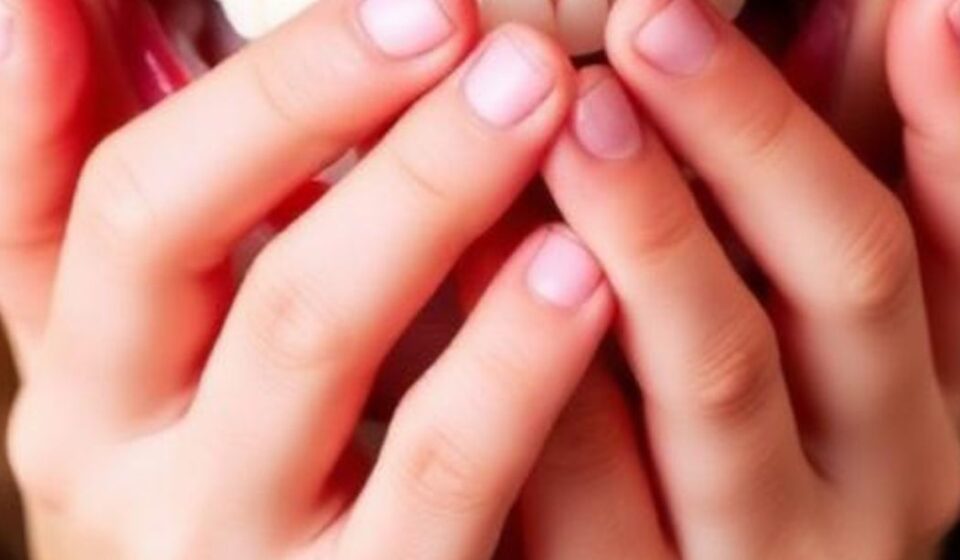

Do you find yourself constantly chewing on pen caps during meetings, gnawing your nails while watching a tense movie, or reaching for a snack not because you’re hungry, but because you need something to do? If so, you might be familiar with the persistent urge for oral stimulation. While often dismissed as “just a bad habit,” this behavior, known as oral fixation, runs much deeper. It’s a complex psychological and sensory pattern with origins that span from Freudian theory to modern neuroscience.
Oral fixation is defined as an intense, obsessive craving to use the mouth for stimulation, often as a means to self-soothe or regulate emotions like anxiety, fear, or boredom. While perfectly natural in infants exploring the world, when these behaviors persist into childhood or emerge in adulthood, they can point to underlying psychological or sensory needs.
This article will take you on a journey through the fascinating landscape of oral fixation. We’ll dig into the historical context, dissect the modern causes (including its link to autism spectrum disorder), and most importantly, provide actionable strategies to manage it. By the end, you’ll have a comprehensive understanding of why we do it and how to address it healthily.
Table of Contents
ToggleThe Roots of the Urge: Freud’s Oral Stage
To understand oral fixation, we first have to visit the father of psychoanalysis, Sigmund Freud. In the early 1900s, Freud proposed a theory of psychosexual development, which suggested that children pass through five distinct stages. Each stage is focused on a different erogenous zone (a part of the body that is a source of pleasure).
The very first stage is the Oral Stage, occurring from birth to roughly 18 months. During this period, an infant’s life revolves around the mouth. They derive pleasure and comfort from sucking, chewing, and biting. This is a biological survival instinct—feeding is necessary for life—but Freud argued it was also a primary source of pleasure.
According to Freud, an oral fixation develops when a child’s needs during this stage are not adequately met. This could happen for a couple of reasons :
-
Under-indulgence: If an infant is neglected, weaned too early, or their feeding needs are frustrated, they may become fixated.
-
Over-indulgence: Conversely, if an infant is overprotected or overfed, and weaning happens too late, a fixation can also develop.
Freud believed that this unresolved conflict would manifest in adulthood as a persistent need for oral stimulation. In his view, habits like smoking, overeating, nail-biting, and excessive drinking are attempts to satisfy these unmet infantile needs.
The “Oral Personality”
Freud didn’t just stop at behaviors; he argued that fixations shape personality traits. He described two potential outcomes :
-
Oral-Receptive Personality: If the child was overindulged, they might become overly dependent, passive, and trusting—even gullible. They may also struggle with overeating and nail-biting.
-
Oral-Aggressive (or Sadistic) Personality: If the child’s urges were frustrated, they might develop an aggressive, ambitious, and cynical nature. They may be verbally abusive, sarcastic, and exploitative.
A Note on Modern Psychology:
It’s crucial to acknowledge that while Freud’s theory popularized the term “oral fixation,” it is considered highly controversial and outdated in modern psychology. Most of the research supporting it is very old, and there is no current scientific evidence to support his exact framework. Modern professionals view the behavior through a more neurodivergent and sensory-friendly lens, which we will explore next.
A Modern View: Sensory Processing and Stimming
Today, the concept of oral fixation has moved beyond the psychoanalytic couch and into the realm of neuroscience and sensory processing. Rather than a “hang-up” from breastfeeding, it’s often seen as a form of stimming (self-stimulating behavior).
Stimming involves repetitive actions that help a person regulate their emotions and sensory input. For someone with an oral fixation, the mouth—which is rich in nerve endings—is a powerful tool for this regulation.
Why do people engage in oral stimming?
-
Sensory Seeking: Some individuals have a neurological need for more sensory input, known as being “hyposensitive.” Chewing, biting, or sucking provides intense sensory feedback that helps their nervous system feel calm and organized.
-
Self-Soothing: Just like an infant sucks their thumb to feel safe, adults and children may use oral behaviors to cope with stress, anxiety, or sensory overload. It acts as a release valve for nervous energy.
-
Focus and Concentration: You might notice you chew a pencil when you’re trying to focus on a complex problem. This oral motor input can help ground the brain and block out distracting thoughts.
Oral Fixation and Autism Spectrum Disorder
This connection is particularly strong in individuals with Autism Spectrum Disorder (ASD) and Sensory Processing Disorder (SPD) . According to the DSM-5, sensory reactivity is a diagnostic criterion for autism.
For an autistic person, oral fixation can be a vital tool for survival. It helps them navigate overwhelming environments. The behavior can be triggered by :
-
Sensory Overload: A loud, bright, or crowded space.
-
Anxiety and Stress: Navigating social situations or unexpected changes.
-
Emotional Regulation: Managing intense emotions.
-
Pain Relief: Chewing can sometimes release endorphins that help alleviate physical discomfort.
It’s important to note that while oral fixation is common in autistic individuals, not everyone who chews their nails is autistic. It is simply one of many possible presentations of sensory-seeking behavior.
The Dark Side: Risks and Negative Effects of Oral Fixation
While often harmless, persistent oral fixation can lead to significant health and social issues if left unmanaged.
Physical Health Risks
-
Dental Damage: This is the most common concern. Constant chewing or sucking can cause misaligned teeth (malocclusion), spacing issues, changes to the jaw and the roof of the mouth, and excessive wear on enamel. This often leads to expensive orthodontic work later in life.
-
Gum Issues: Chewing on hard objects can damage gum tissue, leading to recession and potential bone loss.
-
Injury and Infection: Chewing on non-food items can lead to chipped or fractured teeth. Putting unwashed objects in the mouth introduces bacteria and increases the risk of infection. Pica, which is the eating of non-food items (like dirt, paper, or chalk), is a severe form of this.
-
TMJ Issues: The constant repetitive motion of the jaw can lead to Temporomandibular Joint Disorder (TMD), causing jaw pain, headaches, and popping.
Social and Emotional Challenges
-
Developmental Delays: In children, if oral fixation persists beyond the toddler years, it can sometimes be associated with separation anxiety and developmentally immature behaviors.
-
Social Acceptance: These behaviors can be perceived as socially inappropriate, leading to bullying, teasing, or feelings of embarrassment. This can negatively impact mental health.
Managing and Resolving Oral Fixation: Practical Strategies
Treatment for oral fixation involves redirecting the urge rather than simply trying to stop it. The goal is to meet the sensory need safely or to address the underlying anxiety.
1. Transference and Redirection
Instead of fighting the urge to put things in your mouth, replace the harmful object with a healthier alternative.
-
For Chewing: Swap ice, pencils, or nails for sensory chew toys (often called “chewelry”) or sugar-free gum.
-
For Sucking: Sucking on hard sugar-free candies, eating a thick smoothie through a straw, or drinking water from a bottle can satisfy this need.
-
For Oral Stimulation: Crunchy or chewy snacks like popcorn, celery, string cheese, or rice cakes provide a beneficial and safe outlet.
2. Address the Root Cause
You cannot stop a behavior if you don’t know why it’s happening.
-
Identify Triggers: Keep a log of when the behavior occurs. Is it when you’re stressed? Bored? Overwhelmed? Once you know the trigger, you can address the root cause (e.g., manage stress, take a break, or adjust the environment).
-
Therapy: For adults, therapies like Cognitive Behavioral Therapy (CBT) can help manage the anxiety or emotional patterns that lead to oral fixations. For children, a pediatrician, speech-language pathologist, or occupational therapist can provide targeted interventions.
3. Empathy and Patience
Whether you’re dealing with your own behavior or your child’s, empathy is key. Scolding or forcing a child to stop often backfires, increasing their anxiety and reliance on the behavior. Instead, work together to find safe solutions. “Watch the behavior, think about what could be causing it, and then work on it together,” suggests Dr. Carla Fry.
The Final Verdict: Pros, Cons, and a Balanced Analysis
Is oral fixation a problem that needs fixing? It depends on the context.
| Pros (The Benefits) | Cons (The Risks) |
|---|---|
| Calming and Regulation: Provides immediate relief from anxiety, stress, and sensory overload. | Dental Damage: Can lead to crooked teeth, worn enamel, gum recession, and TMJ issues. |
| Focus: Can improve concentration and block out distracting thoughts. | Injury: Puts the individual at risk of choking, infection, or chipped teeth. |
| Coping Mechanism: A valid and often necessary tool for neurodivergent individuals to navigate a world that can feel hostile to their senses. | Social Stigma: Can lead to social isolation, bullying, and negative self-image. |
| Accessible: Easy and cheap to implement (e.g., a piece of gum) compared to other forms of therapy. | Dependency: May mask deeper issues without addressing the underlying cause. |
The Takeaway: Oral fixation is not inherently “bad.” It is a neutral behavior that can have positive or negative outcomes depending on its intensity and context. The goal isn’t always to eliminate it, but to manage it in a way that promotes health and well-being.
Future Trends and Predictions (2026 and Beyond)
Looking ahead, the understanding and management of oral fixation are becoming more nuanced and tech-enabled.
-
Digital Therapeutics: We are seeing a rise in apps and digital platforms designed to deliver CBT for anxiety and habit-reversal. These tools will offer targeted support for oral fixations without needing constant professional supervision.
-
Advances in Materials: The market for safe, durable, and discreet “chewelry” is booming. Expect to see more sophisticated materials that are bio-compatible, durable, and aesthetically designed for adults.
-
Workplace and Education: As neurodivergence becomes better understood, we will likely see more acceptance of fidget tools and sensory aids (including oral stimming devices) in schools and offices.
-
Integrative Care: We will likely move further away from Freudian stigma and towards an integrative care model where psychologists, occupational therapists, dentists, and physicians work together to treat the whole person—addressing both the sensory need and the dental health.
Key Takeaways
-
It’s a Coping Mechanism: Oral fixation is a form of self-soothing and sensory regulation, not a character flaw. It is often triggered by anxiety, stress, or sensory overload.
-
The Origin is Multifaceted: While Freud attributed it to childhood trauma, modern views link it to sensory processing and neurodiversity, particularly in autism.
-
Risks are Real: Prolonged oral fixation can cause significant dental damage, infections, and social issues if not managed.
-
Redirect, Don’t Stop: The most effective way to change the behavior is to replace harmful objects with safe alternatives like chew toys, gum, or crunchy foods.
-
Look for the Root Cause: Understanding why you or your child is engaging in the behavior is more effective than simply trying to stop it. Therapy or professional help can provide long-term solutions.
Frequently Asked Questions (FAQs)
1. Is oral fixation a sign of autism?
It can be a sign, but it doesn’t mean everyone who chews their nails is autistic. It is a common sensory-seeking behavior in individuals with Autism Spectrum Disorder and Sensory Processing Disorder. If it is accompanied by other traits like social difficulties or sensory sensitivities, it is worth a consultation with a professional.
2. How do I stop an oral fixation?
You shouldn’t necessarily “stop” it, but rather redirect it. Identify triggers, replace the behavior with a safer one (like chewing gum or using a sensory chew necklace), and seek therapy (like CBT) to manage underlying anxiety.
3. What triggers oral fixation?
Common triggers include stress, anxiety, boredom, noisy or overwhelming environments (sensory overload), and the need to concentrate.
4. Can adults develop an oral fixation?
Yes. While often tied to childhood experiences or sensory processing issues, adults can develop these habits as stress responses. These are often seen as pen chewing, nail-biting, overeating, or smoking.
5. Are adult pacifiers effective for anxiety?
They can provide temporary relief by meeting the oral sensory need, but they are not a long-term solution. They do not treat the root cause of the anxiety and may cause dental problems . Evidence-based treatments like therapy are more effective in the long run.
6. When should I worry about my child’s oral fixation?
If the behavior persists past the toddler years (age 2-3), causes dental problems, leads to choking hazards, or interferes with speech development, it’s time to consult a pediatrician, speech-language pathologist, or occupational therapist.
7. What does “oral personality” mean?
This is a Freudian term describing someone fixated on the oral stage. They are often characterized as either overly dependent, gullible, and trusting, or aggressive, ambitious, and sarcastic . This theory is largely outdated but still popular in general culture.
8. Are there healthy foods that help with oral fixation?
Yes! Chewy or crunchy snacks like popcorn, celery, string cheese, rice cakes, and thick smoothies are excellent ways to satisfy the urge in a healthy, hygienic way.
Tags:
oral fixation
admin
M Umer Abbasi is a luxury lifestyle journalist and editorial curator specializing in haute horology, passion investments, and avant-garde design. With an eye for flawless craftsmanship and heritage storytelling, he deconstructs the world of high-ticket assets—from secondary watch market trends to the evolution of bespoke tailoring. His work focuses on shifting the luxury narrative away from fleeting trends and toward timeless design, raw materials, and true artisanship.