
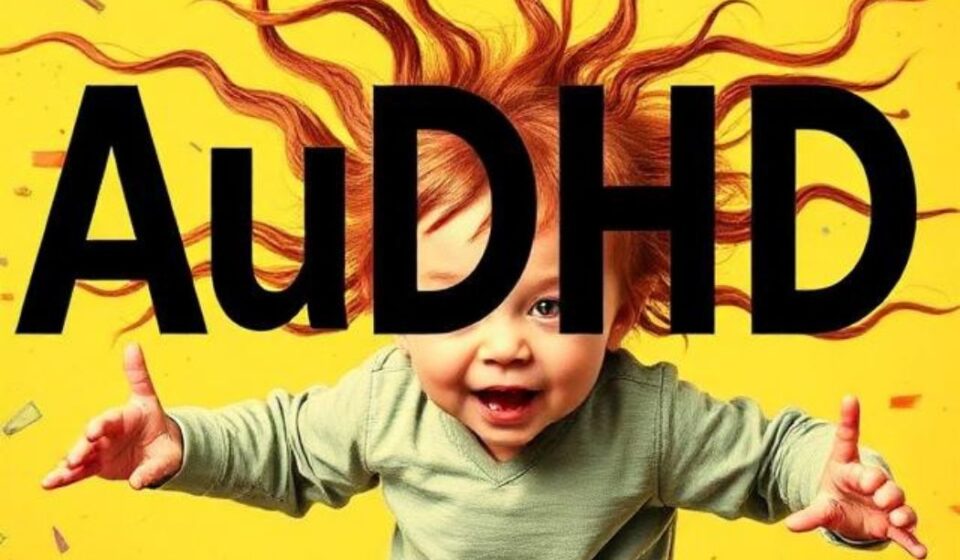

Imagine a mind that craves the comforting predictability of a familiar routine but rebels against it with an insatiable need for novelty. A person who is exhausted by social interaction yet craves connection. A child who can hyperfocus on a special interest for hours but cannot sit still for five minutes to complete a mundane task. This internal conflict is the daily reality for many autistic individuals who also experience significant hyperactivity.
This isn’t just about being “energetic” or “on the go.” When we discuss “autistic hyperactivity,” we are often delving into the complex, fascinating, and sometimes exhausting intersection of Autism Spectrum Disorder (ASD) and Attention-Deficit/Hyperactivity Disorder (ADHD). It’s a dual diagnosis so common it has its own name: AuDHD. This article explores what this intersection truly means, how to recognize it, and, most importantly, how to support individuals navigating this unique neurological landscape.
Table of Contents
ToggleThe Context: A Dual Diagnosis Emerges
For decades, the medical community believed you could not have both autism and ADHD. They were considered mutually exclusive diagnoses. This all changed in 2013 with the publication of the Diagnostic and Statistical Manual of Mental Disorders, Fifth Edition (DSM-5), which officially allowed clinicians to diagnose both conditions simultaneously. This shift was monumental. It acknowledged the reality that many families and individuals had long known: the traits of these two conditions frequently overlap.
Now, research from leading institutions like UC Davis Health shows a significant co-occurrence. Studies indicate that between 50% and 70% of autistic individuals also have ADHD. A 2025 study from UC Davis found that a diagnosis of autism in early childhood strongly predicts a later diagnosis of ADHD, highlighting a critical developmental link that clinicians must be tuned into to ensure appropriate and effective support.
The Unique Profile of Autistic Hyperactivity
Having both autism and ADHD is more than just the sum of its parts. It creates a unique neurological profile with its own strengths and challenges. The term “AuDHD,” which is often used by the neurodivergent community to describe this experience, acknowledges that these traits don’t exist in a vacuum; they interact in complex ways.
The Opposing Forces Within
Think of it like a tug-of-war occurring inside the brain. One side (autism) pulls for order, routine, and predictability, while the other (ADHD) pulls for novelty, spontaneity, and stimulation.
| Autism Trait | ADHD Trait | The AuDHD Experience |
|---|---|---|
| Preference for Routine & Sameness | Easily Bored & Seeks Novelty | Struggling between the comfort of a routine and the unbearable boredom of sameness. |
| Sensory Sensitivity | Sensory Seeking | Being easily overwhelmed by sensory input but also craving intense stimulation to focus. |
| Difficulty with Social Cues | Impulsivity | Acting on impulse and then becoming distressed for breaking a social “rule.” |
| Intense Focus / Special Interests | Hyperfocus | Spending hours single-mindedly researching a passion to the exclusion of all else. |
| Desire for Solitude | Craving Social Connection & Stimulation | Feeling lonely but exhausted by the complexities of social interaction. |
This “living contradiction” can be incredibly draining. As one person with AuDHD described it, “I often feel like a living contradiction. I want order but cannot maintain it. I want to be systematic and precise but struggle with it, which leaves me constantly feeling not good enough”.
Hyperactivity: Not Just “Too Much Energy”
The hyperactivity often seen in autistic children isn’t simply boundless energy. It can stem from several key factors:
-
Sensory Processing Differences: The brain may be either seeking sensory stimulation (proprioceptive or vestibular input) to regulate itself, leading to constant movement, or it may be trying to escape an overwhelming sensory environment.
-
Emotional Regulation: Bursts of energy can be a manifestation of anxiety, excitement, or frustration when a child struggles to process and express their emotions.
-
Self-Regulation Tools: Repetitive movements and stimming are often vital self-soothing mechanisms. What appears to be hyperactivity to an observer can be a non-verbal autistic person’s way of staying grounded and focused.
Practical Strategies for Channeling Energy and Focus
Supporting an autistic individual with hyperactivity requires a shift from trying to “fix” a problem to working with their unique brain wiring. The goal is not to eliminate the energy but to help them channel it positively.
1. Build a Framework of Structure and Choice
Predictable routines can reduce anxiety, which often fuels hyperactivity. Use visual schedules to lay out the day, but build-in choices to give a sense of control and cater to the ADHD need for autonomy. Offer a “menu” of break options (e.g., do a puzzle, go for a walk, or listen to music) rather than demanding one specific activity.
2. Optimize the Environment for “Hyperfocus”
Hyperfocus, the ability to intensely concentrate on a topic of interest, is a superpower of both autism and ADHD. To harness it:
-
Minimize Distractions: Create a clean, organized workspace. Use noise-canceling headphones or white noise to filter out auditory disturbances.
-
Prepare the Body: Ensure basic needs like hunger, thirst, and the need to move are addressed before a focused work session.
-
Provide Structure within the Flow: Use a timer to create a realistic structure (e.g., 50 minutes of work, 10 minutes of rest) but be flexible—don’t interrupt a flow state if they are in the middle of a productive thought.
3. Use Physical Activity as a Tool
Regular, structured physical activity is crucial for managing energy levels and improving focus. This doesn’t have to be a formal sport; it can be hiking, swimming, biking, or even trampoline time. Exercise helps regulate the nervous system and provides the sensory input the brain might be seeking.
4. Target the Root Executive Function Challenges
Research from 2025 underscores the importance of understanding the root of behavioral challenges. For instance, a child with AuDHD might appear irritable, but this could be driven by anxiety, leading to difficulty with attentional shifting, or by ADHD, leading to difficulty with behavioral inhibition. A good intervention targets the root cause—anxiety or ADHD-related impulsivity—rather than just the surface behavior of being “irritable.”
Common Challenges and Misdiagnoses
Despite being recognized, many people still fall through the cracks. A 2024 study of children found that only 16% of those with both conditions had been previously diagnosed with both. This leads to inappropriate treatment plans.
The Overlooked Link: Autism and ADHD
A significant challenge is that symptoms can mimic one another. The social difficulties of ADHD (e.g., missing cues due to inattention) can look similar to the social communication challenges of autism. Similarly, the rigid, repetitive behaviors of autism can be misconstrued as a need for order, which contrasts with the disorganization of ADHD.
The Danger of Misdiagnosis
Misdiagnosis can have profound consequences. For example, a child with autism who is irritable and restless might be prescribed an antipsychotic medication when the underlying issue is untreated ADHD. As a child and adolescent psychiatrist noted, antipsychotics have serious side effects, and if ADHD is the core problem, an antipsychotic isn’t the appropriate first-line treatment. Untreated ADHD can also lead to a higher risk of accidental injuries, substance abuse, academic failure, depression, and anxiety.
A Balanced Analysis: Pros and Cons of the AuDHD Profile
It’s important to remember that alongside the significant challenges, there are substantial strengths often found in AuDHD.
The Challenges (Cons)
-
Internal Conflict: The opposing needs for routine and novelty can be paralyzing and exhausting.
-
Executive Dysfunction: Difficulty with planning, organization, task initiation, and emotional regulation is common and can impact all areas of life.
-
Social Exhaustion: The double whammy of struggling with social cues (autism) and impulsivity (ADHD) can make social interactions overwhelming and lead to frequent misunderstandings.
The Strengths (Pros)
-
Creative Problem-Solving: The combination of autism’s systematic thinking with ADHD’s out-of-the-box, associative thinking can lead to brilliant, creative solutions to problems.
-
Intense Passion & Drive: When an interest captures their attention, their ability to hyperfocus and obsessively learn about a topic can turn them into genuine experts in their field.
-
Resilience & Insight: Navigating a world not built for their neurotype often forces individuals with AuDHD to develop a high degree of self-awareness, resilience, and deep empathy for others who struggle.
Future Trends and Predictions for 2026 and Beyond
The field is rapidly evolving. Here’s what we can expect to see more of:
-
Personalized Interventions: Research is moving beyond broad categories like “AuDHD” and focusing on the specific drivers of behavior within that profile. For instance, differentiating whether an executive function challenge is driven more by autism, anxiety, or ADHD to guide more personalized treatment.
-
Increased Use of “Neuro-Affirming” Language: There is a growing movement, championed by the autistic community, to move away from pathologizing terms like “hyperactive” to more neutral and affirming descriptors like “energetic” or “sensory-seeking”.
-
Specialized AuDHD Clinical Guidance: Healthcare systems are recognizing the need for more specialized training for clinicians to recognize and treat the complex interplay of autism and ADHD, moving beyond old assumptions.
Conclusion: Key Takeaways
-
It’s a Common Intersection: Up to 70% of autistic people also have ADHD. This condition is often called “AuDHD”.
-
Acknowledge the Internal Conflict: The core struggle of AuDHD is the battle between the autistic need for order and the ADHD need for novelty.
-
Reframe, Don’t Restrain: Hyperactivity is often a sign of sensory needs, anxiety, or a self-regulation tool, not just a behavioral problem.
-
Structure is Key: Predictable routines and systems help to reduce anxiety and create a safe scaffold from which they can explore.
-
Harness Hyperfocus: Use environmental optimization, a realistic structure, and distraction-free zones to help individuals channel their superpower of intense focus.
-
Accurate Diagnosis is Critical: Distinguishing between the two disorders and recognizing co-occurrence is vital to avoid misdiagnosis and ensure appropriate, effective support.
Detailed FAQs
1. Can a person be autistic and hyperactive at the same time?
Yes. In fact, it’s very common. This is officially diagnosed as having both Autism Spectrum Disorder (ASD) and Attention-Deficit/Hyperactivity Disorder (ADHD), often referred to as AuDHD.
2. Is hyperactivity in autism different from ADHD?
Yes. While they can look similar, hyperactivity in autism can be tied to sensory-seeking behaviors, emotional regulation issues, or self-soothing stimming, whereas in ADHD, it’s more often linked to impulsivity and a need for constant stimulation. In AuDHD, these drivers overlap.
3. How can I tell if someone has both autism and ADHD?
It requires a comprehensive evaluation by a specialist. Look for the “internal conflict” signs: a person who craves routine but struggles to maintain it, who is easily overwhelmed but also seeks sensory input, and who may be both rigidly rule-bound and highly impulsive.
4. What are the best ways to support an autistic child who is hyperactive?
Focus on structure, routine, and physical activity. Use visual schedules, create a distraction-free environment for focused time, and reframe their “excess” energy as a sign they need more sensory input or movement, not a behavior to be punished.
5. Does medication help with autistic hyperactivity?
For many, yes. ADHD medications can help improve focus and reduce impulsivity, which can make other behavioral interventions for autism more effective. However, medication is only one part of a comprehensive support plan and should be carefully managed by a clinician experienced with both conditions.
6. Is there a cure for autism or ADHD?
No. Autism and ADHD are neurodevelopmental conditions—they are inherent ways the brain is wired. “Treatment” focuses on support, skill-building, and reducing challenges to help individuals live fulfilling lives, rather than “curing” them.
Sources
-
[Autism Parenting Magazine: Hyperactive or Energetic, Enthusiastic, On the Go: Supporting the Reframe]
-
[UC Davis Health: Autism, ADHD or both? Research offers new insights for clinicians]
-
[American Psychiatric Association: When Autism and ADHD Occur Together]
-
[Epic Minds Therapy: Why Are Autistic Kids So Energetic?]
-
[Autism Speaks: Attention-Deficit/Hyperactivity Disorder (ADHD)]
-
[Cleveland Clinic: Understanding AuDHD]
-
[Cleveland Clinic: ADHD vs. Autism: What’s the Difference?]
-
[Frontiers in Psychiatry: Unique and shared influences of anxiety and ADHD on the behavioral profile of autism in early childhood]
-
[Jackie Schuld Art Therapy: 6 Strategies to Harness the Hyperfocus Power of an Autistic Mind]

admin
M Umer Abbasi is a luxury lifestyle journalist and editorial curator specializing in haute horology, passion investments, and avant-garde design. With an eye for flawless craftsmanship and heritage storytelling, he deconstructs the world of high-ticket assets—from secondary watch market trends to the evolution of bespoke tailoring. His work focuses on shifting the luxury narrative away from fleeting trends and toward timeless design, raw materials, and true artisanship.