
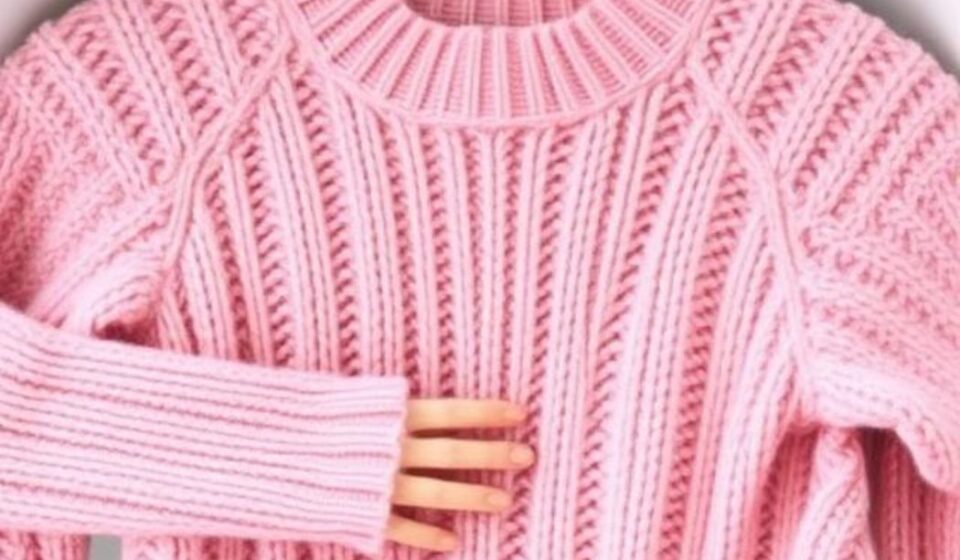

We’ve all experienced it: you pull your favorite cozy wool sweater from the laundry, and it now looks like it belongs to a small child or a French bulldog. That sinking feeling when you realize your $200 cashmere blend is now doll-sized is universal. I still remember the frustration of watching a beautifully knit scarf felt and shrink after using the wrong wash. It was a painful lesson.
The good news? This tragedy is entirely preventable. Washing a wool sweater properly isn’t difficult—it just requires understanding what wool actually needs to stay soft and sized right . You don’t need to be a textile expert or resort to expensive dry cleaning for every wear. With the right techniques, you can keep your favorite sweaters in pristine condition for years.
Let’s dive into the science, the methods, and the secrets to washing wool without the dreaded shrinkage.
Table of Contents
ToggleWhy Does Wool Shrink Anyway?
Before we can fix a problem, we need to understand it. Wool shrinkage isn’t like cotton shrinkage, where fibers simply contract. It’s a permanent process called felting.
The Scaly Truth About Wool Fibers
Wool fibers are basically tiny coils of protein (keratin) covered in microscopic scales that point from root to tip—like tiles on a roof. Under normal conditions, these scales lie flat. But when exposed to three specific factors, they open up and lock together:
-
Heat: Above 30-35°C (86-95°F), the hydrogen bonds holding the scales shut weaken, causing them to lift.
-
Agitation: Friction from rubbing or tumbling causes the opened scales to catch and interlock.
-
Alkalinity: Detergents with a high pH (above 8) partially dissolve the scales, speeding up the felting process.
When these three factors combine—which is exactly what happens on a standard cotton cycle at 40°C—the scales interlock irreversibly. The fabric contracts in every direction, becoming thicker, stiffer, and smaller. This is a deliberate process used to make felt, but on a sweater, it’s a disaster.
The Critical Takeaway: Felting is irreversible. Unlike cotton shrinkage, you cannot simply stretch a felted wool sweater back to its original shape. Prevention is the only reliable strategy.
Before You Wash: Preparation is Key
Don’t just throw your sweater in the machine. A few minutes of preparation can save hours of heartache.
1. Check the Care Label
Always start here. The label provides important washing instructions specific to your garment. Look for symbols like:
-
Hand in a tub: Hand wash only.
-
Tub with two bars underneath: Very delicate machine wash (wool cycle).
-
Crossed-out tub: Do not wash with water—dry cleaning required.
-
Number 30 inside the tub: Maximum temperature 30°C.
2. How Often Should You Wash a Wool Sweater?
Here’s a tip that will extend the life of your sweaters: wash less often. Wool naturally resists odors and is stain-resistant, so it doesn’t need a wash after every wear. Most wool pieces can go 5-7 wears before needing a full clean.
Between washes, air your sweater out overnight in a well-ventilated space. This refreshes the fibers and reduces the need for frequent washing.
3. Pre-Wash Prep
-
Turn it inside out: This protects the outer fibers from friction and helps reduce pilling.
-
Spot clean stains: Use a tiny amount of wool-safe detergent on a cloth, dab gently, then rinse with cold water. Don’t rub, which can push the stain deeper.
-
Fasten buttons and zippers: This prevents them from snagging or stretching.
The Main Event: How to Wash a Wool Sweater
You have two options: hand washing (safest) or machine washing (convenient). Let’s break down both methods.
Option 1: Hand Washing (The Safest Method)
If you want to know how to wash a wool sweater with zero risk, hand washing wins every time.
Step-by-Step Guide:
-
Fill a basin with cool to lukewarm water (20-25°C / 68-77°F). Never above 30°C (86°F).
-
Add a wool-specific detergent and swish it to dissolve.
-
Submerge the sweater and press gently to allow water to penetrate the fibers.
-
Soak for 10-15 minutes. Do not rub, scrub, or wring.
-
Drain the soapy water and rinse with fresh water at the same temperature. You may need to rinse several times until the water runs clear. Temperature consistency prevents shock to the fibers.
-
Remove water without wringing: Press the water out gently by hand, then lay the sweater flat on a dry bath towel. Roll the towel up with the sweater inside and press to absorb excess moisture.
Option 2: Machine Washing (The Convenient Method)
Many modern wool sweaters can survive a machine wash if you’re strategic. Some washing machines even have Woolmark-certified wool cycles. However, only machine wash if the care label gives the green light.
The Machine Protocol:
-
Place the sweater in a mesh laundry bag. This reduces mechanical friction against the drum by 60-80%.
-
Select the wool or delicate cycle. This uses intermittent drum rotation—short movements separated by pauses. This reduced agitation is the key to preventing felting.
-
Use cold water (30°C / 86°F maximum). 20°C (68°F) is even safer.
-
Set the spin cycle to 400 RPM maximum. Some machines offer 0 RPM (drain only)—the safest option for valuable woolens.
-
Do not overload. 2-3 sweaters maximum per cycle; the laundry must “float” in the water.
-
Remove the sweater immediately when the cycle ends to prevent creases.
Choosing the Right Detergent
Regular detergents can strip natural oils from wool fibers and contain harsh chemicals that damage the protein structure. Here’s what to use:
What to Use?
-
Specialist liquid wool detergent: These have a neutral pH (5-7) and are formulated to respect keratin. Look for Woolmark-approved brands.
-
Eucalan: A popular choice among knitters. It’s pH-neutral, contains lanolin to keep wool soft, and doesn’t require rinsing. A 2025 Stiftung Warentest test in Germany rated Frosch Delicate Almond Detergent as “Good” (2.0) for cleaning wool gently.
-
Mild shampoo (emergency substitute): Since wool is keratin (like hair), a few drops of mild, sulfate-free shampoo can work in a pinch.
What to Avoid?
-
Powder detergent: Contains alkaline agents (sodium carbonate, pH 10+) and often protease enzymes that break down keratin.
-
Fabric softener: Coats fibers and reduces their natural resilience, leading to a loss of loft and a greasy feel.
-
Bleach (chlorine or oxygen-based): Damages wool fibers.
-
“Bio” detergents with enzymes: These can damage the protein structure of wool.
Drying: The Non-Negotiable Rule
Drying is just as important as washing. Bad drying can ruin a sweater that survived the wash perfectly.
Always Dry Flat
Lay the sweater flat on a clean, dry bath towel, on a flat drying rack, or on a mesh drying screen. Reshape it to its original dimensions—gently pull the sleeves, shoulders, and hem. This is your chance to “block” the sweater back to its proper size.
Never Hang a Wet Sweater
A wet wool sweater weighs 2 to 3 times its dry weight. Hung on a hanger or clothesline, the water weight stretches the fibers downward. The sweater elongates, the shoulders sag, and the shape is permanently lost.
Never Tumble Dry
The heat inside a tumble dryer (60-80°C / 140-176°F) guarantees felting. Even the “delicate” or “cool” setting produces enough residual heat and agitation to damage wool.
Ideal Drying Conditions
-
Room temperature (18-22°C / 64-72°F)
-
Good ventilation (open window or fan)
-
No direct sunlight (UV degrades keratin fibers and can yellow white wool)
-
No radiator or heated towel rail (direct heat causes localized felting)
Drying a thick wool sweater takes 12 to 24 hours. Flip it after 6-8 hours so both sides dry evenly. Change the towel underneath if it becomes saturated.
Quick Reference: Care by Wool Type
Not all wools are created equal. Here’s a handy guide adapted from expert sources:
| Wool Type | Recommended Wash | Max Temp | Key Notes |
|---|---|---|---|
| Merino | Machine (wool cycle) | 30°C | Fine, soft fibre. Handles the machine wool cycle well. Naturally antibacterial. |
| Cashmere | Hand (preferred) | 20-25°C | Ultra-fine fibre. Very prone to felting and pilling. If machine: spin at 0 RPM or drain only. |
| Alpaca | Hand (preferred) | 20-25°C | Heavier fibre. No natural lanolin—more prone to staining. Stretches easily when wet. |
| Mohair | Hand | 20°C | Long, silky fibre. Very sensitive to friction—pills easily. Hand wash only for pure mohair. |
| Superwash | Machine (delicate) | 30°C | Treated to prevent felting. Can handle the machine, but avoid tumble drying. May stretch when wet. |
Rescuing a Felted Sweater: The Conditioner Method
If the worst has happened, there is a method that can partially soften a felted sweater. The result is limited—the sweater won’t return exactly to its original shape—but it may regain 1 to 2 sizes.
The Principle: Hair conditioner (or vegetable glycerine) contains emollient agents that lubricate keratin scales, allowing you to manually stretch the fibers.
The Protocol:
-
Fill a basin with lukewarm water (25°C / 77°F) and add 2 tablespoons of hair conditioner per litre of water.
-
Immerse the felted sweater and let it soak for 30 minutes.
-
Without rinsing, lay the sweater flat on a towel.
-
Gently stretch the sweater in every direction—sleeves, shoulders, hem, width. Go gradually, without forcing.
-
Pin the sweater to a blocking mat or cork board to dry in its stretched shape.
Future Trends in Wool Care
-
Woolmark-Certified Machines: Premium washing machines now have Woolmark Blue and Green programs, certifying that they’re gentle enough to care for wool.
-
Superwash Technology: While not new, superwash wool (treated to remove scales and coat fibers) is becoming more common, especially in sportswear. However, it’s less warm and can stretch more than untreated wool.
-
Sustainable Detergents: There’s a growing trend toward plant-based, eco-friendly detergents without microplastics, like the Frosch brand praised for its sustainable formula.
-
Lanolin Replenishment: Products that add lanolin back into wool during washing are gaining popularity, especially in the eco-conscious and cloth-nappy communities. Lanolin gives wool its natural antibacterial and water-resisting powers.
Key Takeaways
-
Wash Less: Air out sweaters between wears. Wash every 5-7 wears unless soiled.
-
Cold Water Only: Never use water above 30°C (86°F).
-
Gentle Detergent: Always use a specialist liquid wool detergent or mild shampoo. No fabric softener.
-
No Agitation: Hand wash with gentle squeezing or machine wash on a wool/delicate cycle. No rubbing or wringing.
-
Flat Dry: Always dry flat. Never hang or tumble dry.
-
Prep Work: Turn sweaters inside out and use a mesh bag for machine washing.
-
Check the Label: When in doubt, follow the care label’s instructions.
FAQ
Can I wash a wool sweater in the washing machine?
Yes, if the care label says it’s safe. Use a cold, gentle wool or delicate cycle (30°C / 86°F maximum), place the sweater in a mesh laundry bag, and use a specialist wool detergent. Set the spin cycle to the lowest possible speed (400 RPM or less) .
What happens if you wash a wool sweater in hot water?
Hot water causes the scales on wool fibers to open up and interlock—a process called felting. This makes the fabric contract, becoming thicker, stiffer, and smaller. This shrinkage is permanent.
Can you use hair shampoo to wash wool?
Yes! In an emergency, a mild, sulfate-free shampoo works well because it’s chemically compatible with keratin (the protein wool is made of). It’s much cheaper than specially formulated wool detergent.
Why does wool shrink even in cold water?
Wool can shrink in cold water if there’s too much agitation or if you use the wrong detergent. Friction and alkalinity (from harsh soaps) can also cause scales to interlock, even without heat.
Can you put a wool sweater in the dryer?
Never. The heat and tumbling action in a dryer guarantee felting and shrinkage. Always dry wool sweaters flat, away from direct heat and sunlight.
How do you dry a wool sweater without shrinking it?
Lay it flat on a clean, dry towel on a flat surface. Reshape it to its original dimensions. Roll the towel up with the sweater inside to absorb excess water. Let it air dry completely in a well-ventilated area away from sunlight and heat sources.
How often should you wash a wool sweater?
Wool is naturally odor-resistant and doesn’t need washing after every wear. Most wool sweaters can go 5-7 wears before needing a full wash. Air them out between uses to keep them fresh.
Can you fix a shrunken wool sweater?
You may be able to partially stretch it back using a conditioner soak, but the results are limited. Once wool fibers felt together, the process is irreversible. Prevention is key.
Sources:
Dongguan Tianqi Garments Co.,Ltd
Electrolux Singapore
Rolex Lanolin
Hobbii
Werner & Mertz
Bubble Bliss Laundromat
The Woolmark Company
Mimi & Co
Icebreaker
Weaves & Knits
Laveries Speed Queen
ARKET
Hobbii
Homes To Love
The Woolmark Company

admin
M Umer Abbasi is a luxury lifestyle journalist and editorial curator specializing in haute horology, passion investments, and avant-garde design. With an eye for flawless craftsmanship and heritage storytelling, he deconstructs the world of high-ticket assets—from secondary watch market trends to the evolution of bespoke tailoring. His work focuses on shifting the luxury narrative away from fleeting trends and toward timeless design, raw materials, and true artisanship.