
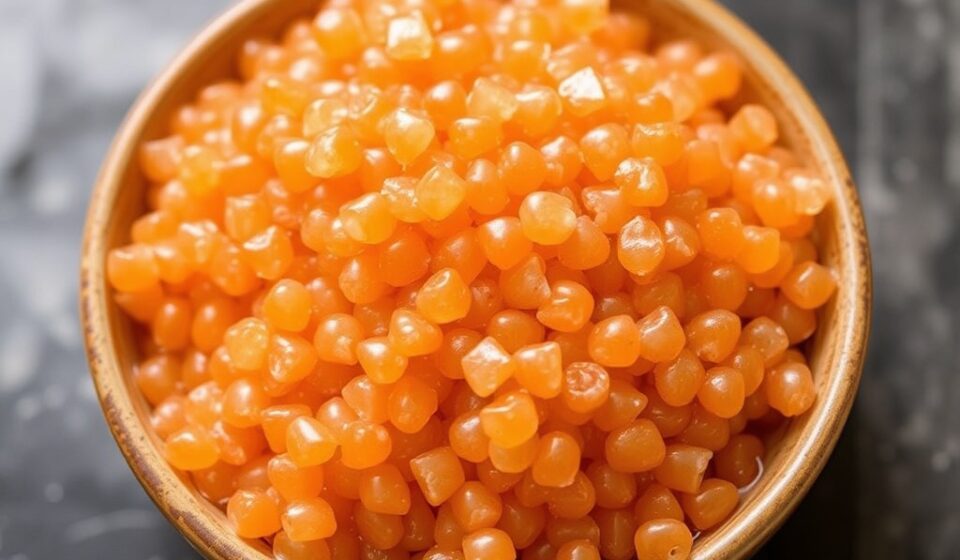

If you’ve ever enjoyed a spicy tuna roll or topped your sashimi with a cascade of tiny, vibrant orange beads, you’ve encountered masago. While it is a staple in Japanese cuisine and Western sushi bars, many people don’t know exactly what masago is, where it comes from, or how it differs from its more famous cousin, tobiko.
In this guide, we will dive deep into the world of masago. We’ll explore its origin, nutritional profile, culinary uses, and how to choose the best quality for your home cooking.
What is Masago?
Masago is the Japanese word for the roe (eggs) of the capelin, a small forage fish belonging to the smelt family. Capelin are found in the cold waters of the North Atlantic, North Pacific, and Arctic Oceans.
Unlike luxury caviar (which comes from sturgeon), masago is an affordable and widely available type of fish egg. The eggs are naturally a pale yellow or translucent color, but they are almost always dyed to achieve that bright, appetizing orange color we associate with sushi restaurants. You can also find masago dyed red, black (with squid ink), or green (with wasabi).
Masago vs. Tobiko: What’s the Difference?
One of the most common points of confusion is the difference between masago and tobiko. While they look similar, they are distinct ingredients:
| Feature | Masago (Capelin Roe) | Tobiko (Flying Fish Roe) |
|---|---|---|
| Source | Capelin fish | Flying fish |
| Size | Very small (approx. 0.5–0.8mm) | Slightly larger (approx. 0.8–1.0mm) |
| Texture | Softer, less crunchy; can feel slightly mushy if over-processed | Firm, distinct “pop” or crunch when bitten |
| Color | Naturally pale; usually dyed bright orange | Naturally red-orange; often naturally vibrant |
| Flavor | Mild, slightly salty, briny | Sweeter, more delicate, slightly smoky |
| Price | Less expensive | Moderately expensive |
| Availability | Extremely common in budget-friendly sushi | Common, but often used as a premium topping |
If you prefer a pronounced “pop” in your mouth, you likely prefer tobiko. If you enjoy a smoother, brinier flavor, masago is your go-to.
Nutritional Value: Is Masago Healthy?
Masago is not just a pretty garnish; it is a nutritional powerhouse. Because it is a seafood product, it is rich in essential vitamins and minerals. However, there are a few things to watch out for.
The Pros:
-
High in Protein: Masago is packed with protein, which is essential for muscle repair and satiety.
-
Omega-3 Fatty Acids: Like most fish roe, it contains healthy fats (EPA and DHA) that support heart health, reduce inflammation, and promote brain function.
-
Vitamin B12: It is an excellent source of Vitamin B12, which is crucial for nerve tissue health and red blood cell formation.
-
Selenium: This antioxidant helps protect the body from oxidative stress.
The Cons:
-
Sodium Content: Masago is cured in salt or brine to preserve it. If you are on a low-sodium diet, you should consume it in moderation.
-
Additives and Dyes: To achieve that signature orange hue, synthetic dyes (like Yellow 6 and Red 40) are often used. Some premium brands use natural additives like paprika or beet juice, but it is worth checking the label.
-
Cholesterol: While dietary cholesterol is less of a concern than once thought, masago does contain a moderate amount of cholesterol (approx. 150–200mg per ounce).
Culinary Uses: How to Eat Masago
Masago is beloved for its versatility. Its mild flavor allows it to complement other ingredients without overpowering them. Here are the most popular ways to use it:
1. Sushi Rolls
Masago is a staple in American and Western-style sushi. It is the key ingredient in Spicy Masago Rolls or is mixed with tuna and mayonnaise to create the filling for Spicy Tuna Rolls. It is also used as a crunchy, salty topping for “inside-out” rolls (like the California roll) to add texture and visual appeal.
2. Gunkan Maki (Battleship Sushi)
One of the most classic ways to enjoy masago is in gunkan maki. A hand-formed oval of sushi rice is wrapped in a strip of nori (seaweed) to create a “boat,” which is then filled generously with masago. This allows you to taste the roe in its purest form.
3. Garnish
Chefs often use masago as a finishing touch. A sprinkle of masago adds a burst of color and umami to:
-
Pasta dishes (like creamy seafood pasta)
-
Deviled eggs
-
Oysters on the half shell
-
Poke bowls
4. Sauces and Dressings
Because the eggs dissolve slightly when mixed, masago is a fantastic emulsifier. It is often mixed with mayonnaise, sriracha, and a little soy sauce to create the iconic “spicy mayo” found in sushi restaurants.
Sustainability: Is Masago an Ethical Choice?
For the environmentally conscious consumer, sustainability is a major factor. Capelin is considered one of the most sustainable fish stocks in the world, provided it is sourced from well-managed fisheries.
-
Population: Capelin are incredibly abundant. They are a key part of the marine ecosystem (primary food source for cod, seabirds, and whales), but when managed correctly, harvesting them does not typically threaten the species.
-
Look for Certifications: To ensure you are buying ethically sourced masago, look for the Marine Stewardship Council (MSC) blue label. This certification indicates that the roe comes from a fishery that meets strict sustainability standards.
-
Avoid Overfishing Zones: Be cautious of masago sourced from regions where capelin stocks have collapsed in the past due to overfishing (such as certain areas of the North Atlantic in the 1990s). Today, most reputable suppliers follow strict quotas.
How to Buy and Store Masago
If you want to experiment with masago at home, here is what you need to know.
Buying Tips
-
Refrigerated Section: Masago is almost always sold frozen or thawed in the refrigerated seafood section of Asian grocery stores or specialty markets.
-
Check Ingredients: Look for brands with minimal additives. Ideally, the ingredients should list capelin roe, salt, mirin (sweet rice wine), and natural colorants.
-
Avoid “Surimi” Mixes: Sometimes, cheaper masago is mixed with surimi (imitation crab) or starches to add bulk. If you want pure roe, read the label carefully.
Storage
-
Freezer: Masago freezes exceptionally well. If you buy it frozen, keep it in the freezer until ready to use.
-
Refrigerator: Once thawed, masago must be kept refrigerated and consumed within 3 to 5 days. Do not leave it at room temperature for more than an hour, as raw seafood spoils quickly.
-
Do Not Refreeze: Once masago has thawed, refreezing will ruin the texture, making it mushy and watery.
Conclusion: The Little Egg That Does It All
Masago might be tiny, but it delivers a mighty punch of flavor, nutrition, and texture. Whether you are enjoying it atop a spicy tuna roll, mixed into creamy pasta, or simply as a standalone gunkan maki, this versatile ingredient is a wonderful way to add a taste of the ocean to your plate.
As a budget-friendly alternative to tobiko and caviar, masago allows home cooks and sushi enthusiasts to enjoy the luxury of fish roe without breaking the bank. Just remember to look for sustainable sources, consume it fresh, and appreciate the delicate pop of flavor these little orange pearls provide.
Are you a fan of masago? Let us know your favorite way to enjoy it in the comments below!