
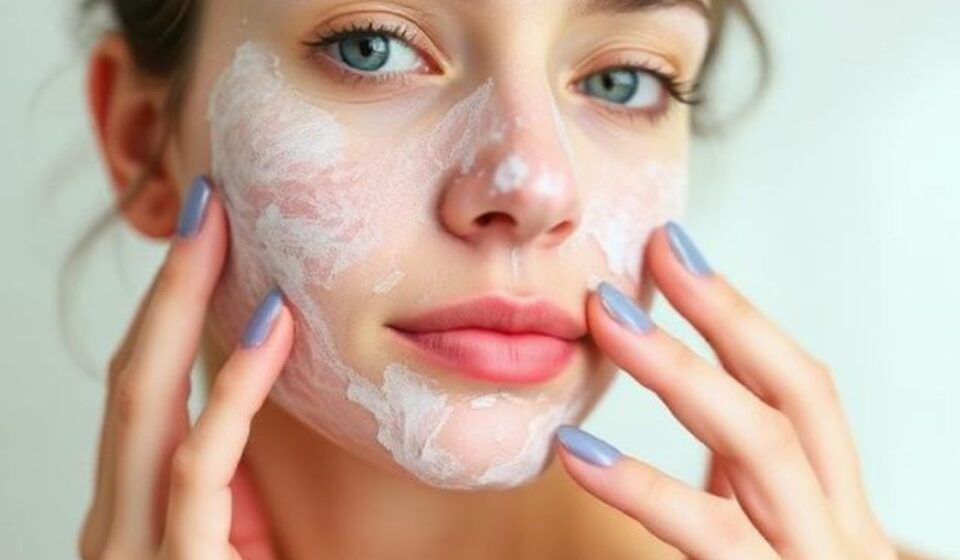

You step out of the shower, pat your face dry, and catch a glimpse in the mirror. Instead of a glowing complexion, you’re greeted by a patchwork of dry, flaky skin that seems to be shedding like a snake. You’re not alone. This unsettling experience is known as desquamation, a natural process where the outer layer of your skin, the epidermis, peels or flakes off. While it’s often a sign your skin is healing from damage, it can also be a symptom of an underlying issue that needs your attention. Let’s dive into the fascinating, sometimes frustrating, world of peeling skin and uncover exactly why it happens and what you can do about it.
Table of Contents
ToggleThe Skin’s Great Reset: What is Peeling Skin?
Before we get to the “why,” it helps to understand the “what.” Your skin is your body’s largest organ, and its outermost layer, the epidermis, is constantly working to protect you from the outside world. It’s a dynamic shield, not a static wall. The epidermis has a life cycle: new cells are born in the lower layers and slowly migrate to the surface over about a month. Once they reach the top, they become flat, tough, and filled with a protein called keratin. These are your dead skin cells, and they form a protective barrier. When everything is in balance, these cells shed imperceptibly, and you never even notice. Desquamation is the medical term for this controlled shedding.
Sometimes, though, this gentle, invisible process becomes a dramatic, visible peel. This happens when the rate of skin cell death accelerates, or when the bonds holding these dead cells together are broken down too quickly, causing them to slough off in flakes or sheets. This isn’t usually painful because it involves dead cells, but it’s often accompanied by redness, itching, or irritation as the sensitive new skin underneath is exposed. Understanding this foundation is key to pinpointing the root cause of your peeling skin.
The Usual Suspects: 10 Reasons Your Skin is Peeling
So, why has your skin decided to stage a revolt? The causes are as varied as they are numerous, ranging from simple environmental changes to more complex health conditions.
The Sunburn Blame Game:
Perhaps the most common culprit. When you get a sunburn, the UV radiation damages the DNA in your skin cells. To prevent this damaged DNA from potentially becoming cancerous, your body initiates a “self-destruct” sequence, causing the damaged cells to peel away. This is your skin’s way of doing a hard reset. The peeling usually begins a few days after the burn and is a clear sign that while healing is happening, the initial damage was significant.
A Clash with Your Skincare Routine:
It’s ironic, but the very products you use to improve your skin can sometimes be the cause of its peeling. This is a classic case of “it’s not you, it’s the ingredients.” Retinoids (like retinol or tretinoin), salicylic acid, benzoyl peroxide, and other exfoliating or anti-aging actives are designed to speed up skin cell turnover. However, if you introduce them too quickly or use them too often, they can irritate the skin and push its renewal process into overdrive, resulting in visible, often unwelcome, peeling. It’s a sign your skin’s barrier is compromised.
Dry Skin’s Cry for Help:
This is the most common cause of persistent, low-level peeling. When the air is dry (especially in winter), or you use harsh soaps that strip away natural oils, the skin’s barrier can’t retain moisture. This leads to xerosis cutis (the medical term for severely dry skin), where the surface becomes cracked, flaky, and peels. Your skin is literally parched and screaming for hydration.
The Case of the Friction Burn:
Even without a sunburn, friction can cause peeling. Think of a blister from new shoes or chafing from a repetitive motion. This physical damage can trigger the shedding process as a part of the skin’s natural repair mechanism.
When It’s an Infection:
Sometimes, peeling skin is the calling card of an uninvited guest. Fungal infections like athlete’s foot (tinea pedis) or jock itch (tinea cruris) are notorious for causing red, itchy, and flaky skin. Similarly, certain bacterial infections, like staphylococcal or streptococcal infections (which cause impetigo or scarlet fever), can also lead to peeling as the body fights off the infection.
Allergic Reactions and Contact Dermatitis:
Imagine your skin as a sensitive alarm system. When it comes into contact with an allergen or irritant—like a new laundry detergent, a fragrance in your moisturizer, certain metals (like nickel), or plants like poison ivy—it can sound the alarm with an inflammatory response. This is contact dermatitis, and peeling skin is often the final stage of this reaction, signaling that the skin is repairing itself after the initial irritation.
Living with Chronic Skin Conditions:
If you have eczema (atopic dermatitis) or psoriasis, you’re likely familiar with peeling skin as a chronic companion. For eczema, the skin barrier is inherently weak and prone to dryness and inflammation, leading to flaking and peeling. For psoriasis, the body’s immune system mistakenly attacks healthy skin cells, causing them to reproduce at an accelerated rate, building up into thick, scaly plaques that can peel off. Seborrheic dermatitis, often manifesting as dandruff, causes flaky skin on the scalp and face.
The Ripple Effect of Medications and Treatments:
Certain drugs can have skin peeling as a side effect. This includes some blood pressure medications (ACE inhibitors), diuretics, and antibiotics. More drastically, cancer treatments like chemotherapy and radiation therapy affect rapidly dividing cells—including skin cells, leading to dryness, irritation, and peeling. This is a systemic effect of the treatment rather than a local reaction.
Systemic Health Issues:
More rarely, peeling skin can be a symptom of a deeper internal health concern. Kawasaki disease, a serious condition that causes inflammation in the blood vessels, primarily affects young children and often leads to peeling skin on the hands and feet weeks after the initial fever. Toxic shock syndrome (TSS) and certain autoimmune disorders like pemphigus can also cause severe skin peeling.
Nutritional Deficiencies:
Your skin is the last organ to receive nutrients in your body’s hierarchy of needs. If your diet is lacking, your skin will show it. Deficiencies in essential vitamins and minerals like vitamin A, vitamin C, zinc, and omega-3 fatty acids can compromise your skin’s ability to repair and retain moisture, making it more prone to dryness and peeling.
The Doctor Will See You Now: When to Seek Professional Help
While most cases of peeling skin are harmless and can be managed at home, some situations warrant a trip to the dermatologist. Knowing the difference is crucial. You should see a healthcare provider if you experience any of the following:
-
The peeling is severe, painful, or involves blistering.
-
It’s accompanied by a fever, chills, or other flu-like symptoms.
-
You have signs of an infection, such as the area being hot, red, swollen, or oozing pus.
-
The peeling is unexplained and doesn’t improve with self-care after a week or two.
-
You suspect it might be a reaction to a new medication.
A dermatologist is a specialist trained to identify the root cause. They will likely ask about your medical history, skincare routine, and recent activities. They might also perform tests like a skin scraping to check for fungus, a patch test for allergies, or even a skin biopsy for a more in-depth analysis. Always remember: don’t pick at peeling skin. As tempting as it is, it can disrupt healing, create an open wound, and increase your risk of infection.
Future Trends: The Evolving Understanding of Skin Health
As of 2026, the world of dermatology is moving beyond just treating the symptom of peeling skin and diving deeper into the root cause. A major trend is a focus on the skin’s microbiome—the complex ecosystem of bacteria, fungi, and viruses that live on our skin. Dermatologists are increasingly recognizing that an imbalance in this ecosystem can lead to a compromised skin barrier, which manifests as dryness and peeling. This is driving the development of “probiotic” skincare designed to support a healthy microbiome, rather than just stripping it away.
Another significant shift is toward personalized skincare. Instead of a one-size-fits-all approach, there’s a growing demand for products and routines tailored to a person’s unique skin type, genetic predispositions, and lifestyle. This means that treating peeling skin will become less about guessing and more about precision and prevention. The conversation is also expanding to include the gut-skin axis, with a deeper understanding of how nutrition impacts skin health, further blurring the line between internal and external skin care.
Actionable Advice: Your 5-Step Skin-Soothing Strategy
If your skin is peeling and you’ve determined it’s not a medical emergency, here’s a practical, science-backed plan to help your skin heal:
-
Moisturize Like a Pro: This is the most critical step. Use a fragrance-free, hypoallergenic cream or ointment (not a thin lotion) as they are more effective at trapping moisture. The best time to apply is immediately after cleansing, while your skin is still slightly damp, to lock in that water. Look for ingredients like ceramides, hyaluronic acid, glycerin, and shea butter.
-
Clean Gently: Ditch the harsh soaps and hot water. Wash with a mild, unscented cleanser and use warm (not hot) water. Limit your showers or baths to 5-10 minutes to avoid stripping your skin of its natural oils. Pat your skin dry—never rub!
-
Hands Off!: Resist the powerful urge to pick, peel, or exfoliate the flaking skin. This is the most common mistake people make. Let the dead skin fall off on its own. Picking can tear the new, delicate skin beneath, leading to scarring or infection.
-
Protect and Hydrate from Within: Hydration comes from both inside and out. Drink plenty of water throughout the day to support your skin’s health. If your environment is dry, especially during winter, use a humidifier in your home to add moisture to the air.
-
Sun Protection is Non-Negotiable: Whether peeling is from a sunburn or another cause, your skin is more vulnerable to UV damage. Apply a broad-spectrum sunscreen with at least SPF 30 daily, even on cloudy days. This prevents further damage and reduces the risk of hyperpigmentation.
Conclusion and Key Takeaways
Peeling skin, while often a nuisance, is a powerful and informative signal from your body. It’s a clear sign that a process is underway, be it healing, a reaction, or a symptom of a deeper issue. Whether it’s a sunburn’s aftermath, a reaction to a retinoid, or a sign you need to up your moisturizing game, there’s a clear path forward.
Key Takeaways
-
Peeling is a process of renewal: Your skin is shedding its outermost layer, often as a part of healing.
-
Common causes abound: Environmental factors (sun, wind, dry air), overzealous skincare (retinoids, acids), and underlying conditions (eczema, fungal infections) are the most frequent culprits.
-
Moisturize properly: Thick creams and ointments are your best allies. Apply them to damp skin.
-
Never pick at peeling skin: It slows healing and risks infection.
-
See a doctor for warning signs: Pain, fever, widespread peeling, or symptoms of infection need professional evaluation.
-
The future is personalized: Dermatology is moving toward microbiome-focused and personalized care for lasting skin health.
Your skin is your body’s largest organ and its first line of defense. Listening to its signals—like peeling—is the first step toward giving it the care it needs to look and feel its best.
Frequently Asked Questions (FAQs)
1. Why is my skin peeling all of a sudden?
Sudden peeling is often linked to an acute event like a recent sunburn, an allergic reaction (contact dermatitis), or starting a new topical treatment like a retinoid. Think back to what you’ve been exposed to in the last few days to pinpoint the trigger.
2. Is peeling skin a sign of healing?
Yes, it absolutely can be. In the context of a sunburn, a chemical peel, or even after an allergic reaction, peeling indicates that your skin is repairing itself by shedding the damaged cells.
3. What’s the best thing to put on peeling skin?
Apply a thick, fragrance-free moisturizing cream or ointment (like CeraVe, Cetaphil, or Aquaphor) multiple times a day. Aloe vera is excellent for soothing sunburn-related peeling.
4. Why is the skin on my face peeling but not dry?
This is often due to a high rate of skin cell turnover from products like retinol or exfoliating acids. It can also be a sign of contact dermatitis from an irritating ingredient. The peeling is from the rapid shedding of cells, not necessarily a lack of surface moisture, though the barrier is likely compromised.
5. How long does skin peeling last?
It depends on the cause. Peeling from a sunburn or using a new retinoid often resolves in 1-2 weeks. Chronic conditions like eczema or psoriasis may have ongoing, cyclical peeling that requires long-term management.
6. Can a vitamin deficiency cause my skin to peel?
Yes. Deficiencies in essential nutrients like Vitamin A, Vitamin C, Zinc, and Omega-3 fatty acids can negatively impact your skin’s barrier, leading to dryness, fragility, and peeling.
Sources
This article was based on information from reputable sources including:
-
Cleveland Clinic
-
CARE Hospitals
-
The London Dermatology Centre
-
Acibadem Health Point
-
U.S. Dermatology Partners
-
Verywell Health
-
MedlinePlus (.gov)

admin
M Umer Abbasi is a luxury lifestyle journalist and editorial curator specializing in haute horology, passion investments, and avant-garde design. With an eye for flawless craftsmanship and heritage storytelling, he deconstructs the world of high-ticket assets—from secondary watch market trends to the evolution of bespoke tailoring. His work focuses on shifting the luxury narrative away from fleeting trends and toward timeless design, raw materials, and true artisanship.