
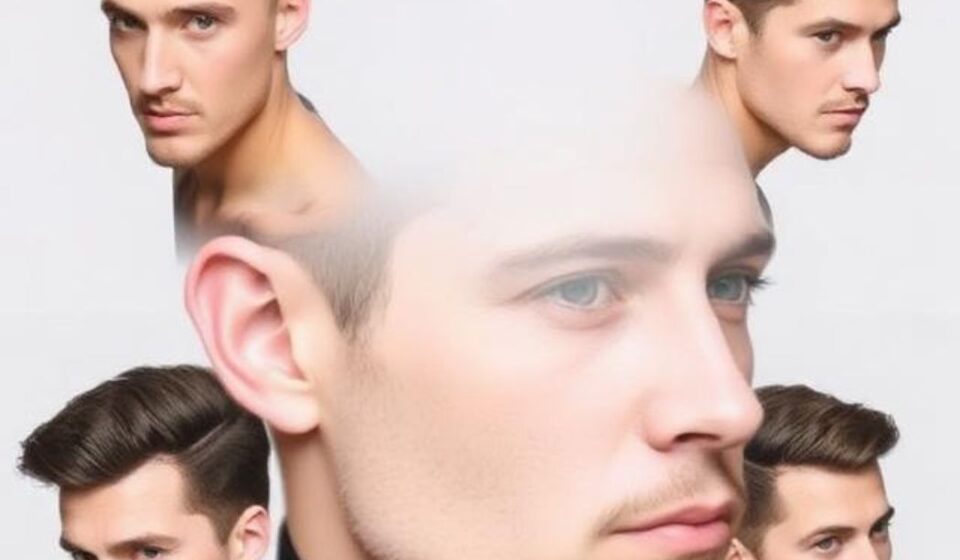

You’re standing in front of the mirror, running your hands through your hair, and trying to figure out why your go-to style just isn’t doing it anymore. Maybe you’ve scrolled past dozens of men’s haircut inspiration posts and keep circling back to that one look — the one where the front lifts up and back with effortless confidence. You’ve been wondering whether it’s too hard to maintain, too retro, or just not meant for your hair type.
Here’s what you might not realize: the quiff isn’t just a hairstyle. It’s a statement that bridges classic rock ‘n’ roll rebellion with boardroom polish. And in 2026, it’s more popular than ever.
The textured quiff has become the most requested men’s haircut of 2026. This isn’t your grandfather’s greaser look. The modern quiff has evolved into a matte, lived-in style that works at the office, on a date, or at the gym without looking out of place. Whether you’re a complete beginner or a seasoned stylist, this guide will walk you through everything you need to know to master the quiff.
Table of Contents
ToggleWhat Exactly Is a Quiff Haircut?
Let’s start with the basics. A quiff — pronounced “kwif” — is a hairstyle characterized by hair at the front that’s styled upward and backward away from the forehead, creating noticeable volume and height at the front of the head. The classic variation is essentially a blend of the pompadour and flattop, where the hair is slicked back on both sides while the forelock is sculpted upwards into a poof.
The Quiff vs. The Pompadour: What’s the Difference?
This is one of the most common points of confusion. While they’re often used interchangeably, there’s a key difference:
-
The Pompadour: Features hair that’s swept back from the forehead in a continuous curve, with volume that starts at the roots and flows backward.
-
The Quiff: Creates a more dramatic lift at the front that stands up before sweeping back. It’s essentially the rebellious younger sibling of the pompadour.
Think of the pompadour as the polished gentleman and the quiff as the cool, slightly disheveled rocker.
A Brief History: From Greasers to Mainstream
The quiff became widely popular in the United States during the 1950s, sported by icons like Elvis Presley and James Dean. It quickly became associated with young people seeking a sharp break from their parents’ values — the burgeoning rock ‘n’ roll culture. When American music crossed the Atlantic and influenced young British musicians, the look followed. Early photos of The Beatles show them sporting classic quiff hairstyles.
In America, quiff wearers were dubbed “greasers” due to the greasy look and application of the style — a term that famously inspired the title of the musical Grease. In Britain, they were referred to as “teddy boys”.
While the classic quiff nearly went extinct by the 1990s, existing mainly in Elvis impersonation circles, it never really disappeared. Each generation has reinvented it, from the 1980s Teddy Boy revival to the 2026 textured version that’s dominating barbershop requests.
The 2026 Quiff: What’s Trending Now
The quiff has undergone a major transformation. The stiff, shiny, heavily-gelled look of previous decades has been replaced by something far more wearable. The most requested men’s haircut of 2026 is the textured quiff — medium length on top (typically 3 to 5 inches) with tapered or faded sides, styled upward and back with a matte, lived-in finish.
This modern take focuses on natural volume and movement rather than that helmet-like stiffness. As one barber notes, “Think of it as a grown-up version of messy hair. It has structure, but it does not look like you spent an hour in front of the mirror”. Athletes like Patrick Mahomes have helped push this look into mainstream popularity, making it the go-to style for men seeking volume with practicality.
Why the Quiff Is So Popular Right Now
The quiff has three things going for it that most trend haircuts don’t:
-
A classic silhouette — It’s been around since the 1950s, with each generation reinventing it.
-
Adaptability — You can wear it to a job interview or a music festival without changing the style.
-
It grows out well — Even when you miss your 4-6 week trim, the cut just gets longer and shaggier rather than losing its shape entirely.
Who Should Get a Quiff?
The great news: the quiff works for nearly everyone when properly tailored to your individual features.
Face Shapes That Work Best
-
Oval Face: You can pull off any quiff style. The balanced proportions are naturally enhanced by the voluminous top.
-
Square Face: The quiff adds height, balancing a strong jawline.
-
Round Face: A quiff can elongate the face, adding definition and breaking up the natural roundness.
-
Heart Face: Volume at the top can balance a wider forehead and narrower chin.
Hair Types That Work Best
The quiff works best with straight to wavy hair. It’s ideal for those with medium to thick hair, as this provides the necessary volume and structure. Even fine or thinning hair can benefit, as the texture adds fullness.
If you have very curly or tightly coiled hair, you might want to explore a curl-specific version rather than a traditional quiff. And if your hair is shorter than 2 inches on top, you simply won’t have the length needed for lift.
The Art of the Quiff: How to Style Your Hair
Mastering the quiff isn’t just about the cut — it’s about the styling. Here’s the professional approach, broken down step by step.
Step 1: The Right Cut
Before you even think about styling, you need the right foundation. The biggest mistake men make is walking into a barbershop and just saying “quiff.” That word means different things to different barbers.
What to ask for:
-
Medium length on top — 3 to 5 inches, depending on your hair type.
-
Tapered or faded sides — low, mid, or high fade depending on how bold you want it.
-
The top texturized, not cut flat — this gives that matte, piecey finish.
-
Enough length in the front to lift and sweep back.
Step 2: Preparation
Getting your hair ready before styling is just as important as the cut itself. The quiff relies on volume, shape, and control, and that all starts with how you prep your hair.
Clean, towel-dried hair is the ideal base. Apply a lightweight pre-styling product like a volumizing mousse or sea salt spray to add texture and hold. Then use a blow dryer to lift the hair upwards and backwards with a vented or round brush. This creates the foundation and direction your quiff needs before you even touch your finishing product.
Step 3: The Blow-Dry Technique
This is where the magic happens. The key is direction and technique:
-
Start blow-drying from the roots, lifting upward and backward using a round brush to build height.
-
Focus on creating volume at the front — that’s the statement area.
-
Keep the sides smoother and more controlled for balance.
-
Use a medium heat setting to avoid damage, then switch to a cooler setting to lock the shape in place.
One professional stylist explains that using a round brush or curled vent brush to blow-dry in the direction you want the hair to go is crucial, as “this creates the bend in the hair, which adds the volume”.
Step 4: Product Application
Once your quiff is shaped and dry, it’s time to lock it in. The goal is hold, texture, and definition without weighing the hair down.
Product options:
-
Pomades: Great for hold. Warm a small amount between your palms, then work evenly through the hair from the back moving forward to avoid clumping at the front. For a classic look, opt for a matte pomade with strong hold and no shine.
-
Sea salt spray: Excellent for creating volume and texture before blow-drying.
-
Matte clay or paste: Perfect for achieving that modern, textured finish.
-
Hairspray: Use a light application to set the style and tame flyaways.
Step 5: Finishing Touches
Use your fingers or a comb to define the shape and height of your quiff. If you want a softer, more relaxed look, work the product through with your fingers rather than a comb.
Common Quiff Mistakes and How to Avoid Them
Mistake 1: Using Too Much Product
Less is more. Over-application weighs the hair down and makes it look greasy rather than styled. Start with a small amount and add more if needed.
Mistake 2: Not Using Heat Protection
Blow-drying without heat protection can damage your hair over time. Consider a heat protectant spray before you start styling.
Mistake 3: Getting the Wrong Cut
Not all quiffs are created equal. A consultation with your barber is essential. Factors including hair growth pattern, hair density, and lifestyle should all be considered when choosing the right quiff.
Mistake 4: Expecting It to Style Itself
The quiff needs maintenance. As one barber points out, some men expect the style to work without effort, but a proper quiff needs at least a few minutes of styling each morning.
Pros and Cons of the Quiff
Pros
-
Versatile: Works for casual and formal occasions.
-
Face-flattering: Can balance various face shapes.
-
Timeless: Always in style, with variations for every era.
-
Volume: Adds height and fullness to thin or fine hair.
-
Multiple variations: From short and subtle to long and dramatic.
Cons
-
Requires maintenance: Needs daily styling and regular trims (every 4-6 weeks).
-
Product investment: Requires quality pomades, clays, or mousses.
-
Learning curve: Takes practice to master the blow-dry technique.
-
Can be challenging for certain hair types: Very curly or coarse hair may not cooperate.
The 2026 Hair Context: Why Hair Volume Matters
In 2026, fashion has pivoted from the stark minimalism of the early 2020s toward a new era of “Expressive Luxury.” This year is all about texture, volume, and vitality. Buzz cuts and shaved heads are receding in popularity, replaced by styles that require substance.
Hair has become the anchor of the male silhouette. It’s the only accessory you wear to the gym, to the boardroom, on a date, and to bed. This cultural shift explains why the quiff — with its emphasis on volume and personality — is back in a big way.
Variations of the Quiff
The quiff isn’t a one-size-fits-all style. Here are the most popular variations:
The Classic Quiff
The traditional version with prominent lift at the front and neatly styled back and sides. Think Elvis in the 1950s. This style requires pomade, a blow dryer, and a touch of hairspray.
The Textured Quiff
The 2026 favorite. Emphasizes natural texture with a matte, piecey finish. Great for wavy hair types and those with a light curl.
The Short Quiff
A more understated version that works in the office as well as on the dance floor. This style adds an element of the extraordinary to day-to-day style.
The Disconnected Quiff
Features a sharp contrast between the longer top and the shorter sides, creating a dramatic look.
The Messy Quiff
A relaxed version that looks effortless. Best achieved with a mousse or lotion rather than gel to keep strands separated and achieve greater volume.
Future Predictions: Will the Quiff Last?
The textured quiff shows no signs of fading. It has three things going for it that most trend haircuts don’t: a classic silhouette, adaptability, and the ability to grow out well. While the buzz cut and skin fade have had their moments, the pendulum is swinging back toward styles with more personality and volume.
We’re likely to see continued emphasis on texture and movement. The glossy, stiff quiff of the past is permanently retired. Instead, expect the soft, matte quiff to evolve further — perhaps with even more emphasis on natural texture and even less on product.
Key Takeaways
-
The quiff is a hairstyle where the front is styled upward and back, creating volume at the forehead.
-
The textured quiff is the most requested men’s haircut of 2026, featuring a matte, lived-in finish.
-
The quiff works best on straight to wavy hair and can complement most face shapes.
-
Preparation is key: start with clean, towel-dried hair, apply a pre-styling product, then blow-dry with a round brush for maximum volume.
-
The right cut matters: be specific with your barber about length on top and the type of fade or taper you want.
-
Modern quiffs use matte products rather than shiny pomades for a more natural look.
-
The quiff requires maintenance — expect to trim every 4-6 weeks and spend a few minutes styling daily.
-
The style is versatile enough for both casual and formal occasions.
FAQs
Is a quiff hairstyle hard to maintain?
It requires daily styling practice and regular trims every 4-6 weeks. But with the right technique and products, it becomes a quick routine. The textured, modern version actually requires less maintenance than the classic, heavily styled version.
Can I get a quiff with thin hair?
Yes. The quiff can actually add volume and fullness to fine or thinning hair. The textured version is particularly effective here, as the piecey finish creates the illusion of density.
What’s the difference between a quiff and a pompadour?
A quiff features a more dramatic lift at the front that stands up before sweeping back, while a pompadour creates volume that flows continuously from the forehead backward.
Does a quiff work for curly hair?
Very curly or tightly coiled hair can be challenging for a traditional quiff. You might need a curl-specific variation or a looser, more textured version that works with your natural texture.
How often should I trim my quiff?
Most barbers recommend a trim every 4 to 6 weeks. Any longer than that and the sides start to grow into the top, losing the sharp contrast that makes the cut work.
What products do I need for a quiff?
For a classic quiff: pomade, blow dryer, and hairspray. For a modern textured quiff: sea salt spray or volumizing mousse for prep, and matte clay or paste for hold and definition.
Can I style a quiff without a blow dryer?
A blow dryer is essential for building the volume and shaping the quiff. While you can achieve a slightly lifted look with product alone, it won’t have the same height or staying power.
Sources:
-
Spiegato, “What is a Quiff?”, 2025
-
Professional Beauty India, “The Art of Acing the Perfect Quiff Haircut”, 2025
-
Numi Hair, “Textured Quiff Guide”, 2026
-
Modern Barber, “Everything You Need to Know About the Quiff”, 2024
-
Lynx, “The Short Quiff”, 2026
-
Turkeyana, “Hair Trends 2026”, 2026
-
NOAH, “The Quiff: Timeless Elegance with a Modern Twist”, 2024

admin
M Umer Abbasi is a luxury lifestyle journalist and editorial curator specializing in haute horology, passion investments, and avant-garde design. With an eye for flawless craftsmanship and heritage storytelling, he deconstructs the world of high-ticket assets—from secondary watch market trends to the evolution of bespoke tailoring. His work focuses on shifting the luxury narrative away from fleeting trends and toward timeless design, raw materials, and true artisanship.