
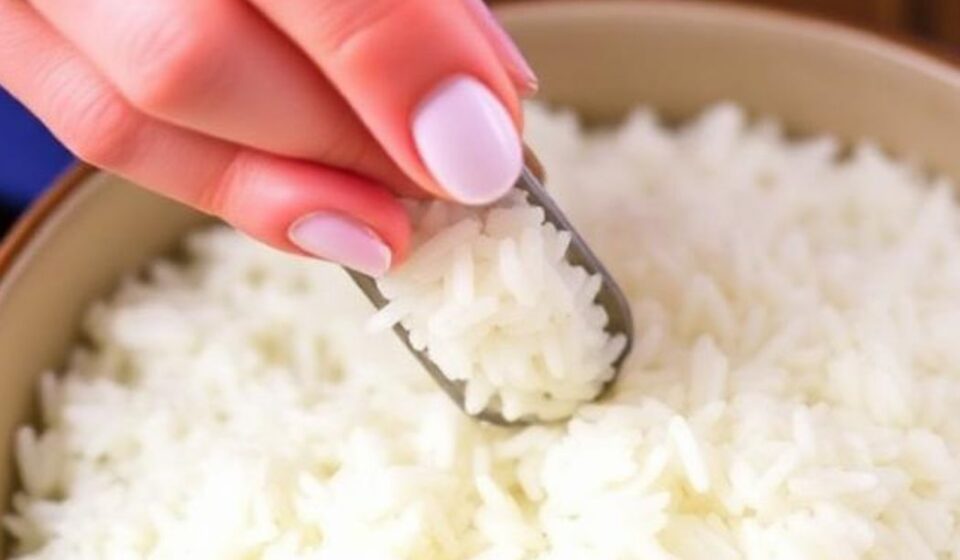

Have you ever stood in the grocery aisle, staring at bags of rice, wondering why your homemade version never turns out as light and fluffy as the one from your favorite takeout spot? You are not alone. The answer often lies in understanding one of the most versatile pantry staples: long grain white rice. This isn’t just a side dish; it’s a world of culinary potential waiting to be unlocked.
Table of Contents
ToggleWhat Exactly Is Long Grain White Rice?
Understanding what you are cooking is the first step to mastering it. All rice is classified by its length-to-width ratio. Long grain rice is slender and lengthy—typically four to five times longer than it is wide. This specific shape is the primary reason for its distinct, non-sticky texture.
The Science Behind the Fluff
When cooked, long grain rice remains separate and fluffy. This is largely due to its higher ratio of amylose, a type of starch. Compared to short or medium-grain rice (which have more amylopectin and become sticky and clump together), long grain rice’s starch composition prevents it from becoming a gluey mass. Think of a pilaf where each grain stands alone versus a risotto that is creamy and bound together—the difference is largely the type of rice used.
The Processing: Why “White”?
Long grain white rice starts as brown rice. The difference is in the milling process. White rice is created by removing the outer husk, bran layer, and germ (the nutrient-rich parts), leaving only the starchy endosperm. This is why white rice cooks faster and has a milder flavor compared to its whole-grain brown counterpart. However, it is also why many varieties are enriched—they are coated with vitamins (like niacin, thiamin, and folic acid) and iron to replace some of the nutrients lost during milling.
Long Grain vs. Basmati vs. Jasmine: A Quick Distinction
While all are considered long grain, there are slight differences you should know:
-
Standard Long Grain White Rice: The everyday variety, often grown in the US. It is neutral, fluffy, and absorbs flavors well. It is a blank canvas, making it incredibly versatile.
-
Basmati: An aromatic long-grain rice known for its nutty flavor and even longer, slender grains. It is a staple in Indian and Middle Eastern cuisine and is prized for its distinct fragrance.
-
Jasmine: An aromatic long-grain rice with a floral aroma and a slightly softer, clingier texture than standard long grain.
For the purposes of this guide, we are focusing on standard long grain white rice.
Mastering the Art: Cooking Methods Compared
Getting that perfect, fluffy result is easier than you think. It is not just about following a recipe; it is about understanding the chemistry. Here are the best methods, explained.
1. The Classic Absorption Method (Stovetop)
This is the most common method, relying on a specific ratio of water to rice. Most package instructions will tell you to use a 1:2 ratio (one cup rice to two cups water). However, if you rinse your rice, you must reduce the water slightly—to about 1 ¾ cups per cup of rice—to prevent mushiness.
Pro-Tip: Use a heavy-bottomed pot with a tight-fitting lid. A poor-fitting lid is a common culprit for failed rice; it lets steam escape, causing the rice to cook unevenly and dry out. The lid traps the steam to finish cooking the rice.
Instructions:
-
Rinse 1 cup of rice under cold water until the water runs clear. This removes excess starch.
-
Combine the drained rice and 1 ¾ cups of water in a saucepan. Add a pinch of salt if desired.
-
Bring to a boil over high heat. As soon as it boils, reduce the heat to the lowest possible simmer and cover tightly.
-
Cook for 10 minutes. The rice will have steam holes on the surface. Resist the urge to peek! Every time you remove the lid, you lose critical steam.
-
Turn off the heat and let it sit, covered, for 10 minutes. This is the secret to perfect fluffiness. It allows the rice to finish absorbing the moisture and steam without becoming mushy.
2. The Pasta Method (Boil & Drain)
This is a more foolproof method that eliminates guesswork and the risk of burning the bottom of the pot. It is ideal for beginners.
Instructions:
-
Fill a large pot with water (about 4 cups per cup of rice) and bring it to a rolling boil.
-
Add the rice and boil uncovered for 10-15 minutes until the rice is tender but still slightly firm.
-
Pour the rice into a fine-mesh strainer to drain.
-
Return the rice to the pot, cover it, and let it steam off the heat for 10 minutes.
-
Fluff with a fork and serve.
3. The Modern Appliances (Rice Cooker & Instant Pot)
-
Rice Cooker: The gold standard for convenience. Always use the cup that came with the cooker and fill water to the corresponding line. Let the rice rest for 10-30 minutes after the cooking cycle before you fluff it.
-
Instant Pot: Use a 1:1 ratio of rice to water. Cook on high pressure for 5 minutes, followed by a natural pressure release of 10 minutes before fluffing.
Quick Look: Which Cooking Method Should You Use?
-
Absorption Method: Excellent control, yields classic fluffy result.
-
Pasta (Boil & Drain): Foolproof, no risk of burning, great for large batches.
-
Rice Cooker/Instant Pot: Set and forget, perfectly consistent every time.
The Healthy Debate: Is Long Grain White Rice Good For You?
Long grain white rice has received mixed reviews in the health world. It is considered a “refined grain” because the bran and germ are removed. This means it has less fiber than brown rice—less than 1 gram per cup compared to over 3 grams—and fewer micronutrients.
However, that doesn’t mean it is “bad.”
-
It is a quick energy source: The carbohydrates in white rice provide a rapid boost of energy.
-
It is usually enriched: Most commercial rice is fortified with essential B-vitamins and iron.
-
It is easily digestible: This makes it a great choice for people with sensitive stomachs or specific dietary restrictions. It is also naturally gluten-free.
The Verdict: As with most foods, context matters. Long grain white rice can absolutely be part of a healthy diet, especially when paired with lean proteins, vegetables, and healthy fats. A rice bowl with grilled chicken, avocado, and veggies is a perfectly balanced meal. The issue only arises if it is the only component of every meal.
Common Mistakes and How to Fix Them
Even experienced cooks can have rice mishaps. Here is how to fix them:
-
Problem: Mushy or Gummy Rice.
-
Cause: Too much water or overcooking. If you rinsed the rice, you didn’t reduce the liquid.
-
Solution: You can’t un-mush rice, but you can spread it on a baking sheet to dry out slightly.
-
-
Problem: Crunchy or Hard Rice.
-
Cause: Not enough liquid or not enough cooking time. The “rest” step is crucial!
-
Solution: Add a few tablespoons of water, return to low heat with the lid on for 5-10 minutes, and let it rest.
-
-
Problem: Burnt Bottom Layer.
-
Cause: Heat was too high, or the pot wasn’t heavy enough to distribute heat.
-
Solution: Carefully remove the top unburnt rice and serve it. Do not scrape the bottom. Use a heavy-bottomed pot next time.
-
Flavor Elevation: Beyond Plain Rice
Plain white rice is a canvas. Here is how to turn it into a masterpiece:
-
Toast the Rice: Before adding water, toast the dry rice in a bit of butter or olive oil. This adds a nutty depth of flavor.
-
Use Stock: Swap the water for chicken, vegetable, or beef stock.
-
Add Aromatics: Toss in a bay leaf, a cinnamon stick, cardamom pods, or a garlic clove while it cooks.
-
Citrus Kick: Finish the cooked and fluffed rice with a squeeze of fresh lime or lemon juice and some zest.
Conclusion & Key Takeaways
Long grain white rice is a staple for a reason. It’s affordable, versatile, and, when cooked correctly, absolutely delicious. It provides a comforting base for cuisines worldwide, from the American South to the Middle East. Its neutral flavor profile and fluffy texture make it a chef and home cook’s best friend.
Your Key Takeaways:
-
Rinse to win: Always rinse your rice to remove excess starch for fluffier grains.
-
Rest is required: Letting the rice sit off the heat, covered, for 10 minutes is mandatory. Do not skip this step.
-
Water ratio matters: If you rinse, use 1 ¾ cups of water per cup of rice. If you don’t, use 2 cups.
-
Be mindful of the heat: Start high to boil, then drop to the lowest possible simmer.
-
It’s part of a healthy diet: Pair it with protein and veggies for a balanced meal.
Frequently Asked Questions (FAQs)
1. Do I really need to rinse long grain white rice?
Yes, rinsing removes surface starch that causes the grains to stick together. It is the single most important step for achieving a fluffy, distinct texture.
2. What is the correct water-to-rice ratio for long grain white rice?
If you rinse the rice, use 1 ¾ cups of water for 1 cup of rice. If you skip rinsing, use 2 cups.
3. Can I double the recipe for long grain white rice?
Yes, you can easily double the recipe in the same pot. The water-to-rice ratio and cooking time remain the same.
4. How long does cooked long grain white rice last?
When stored in an airtight container in the refrigerator, cooked rice will last for 3 to 5 days.
5. Is long grain white rice gluten-free?
Yes, all rice is naturally gluten-free, making it a safe choice for those with celiac disease or gluten sensitivity.
6. Why is my long grain white rice sticky even after rinsing?
If you rinsed it, you may have used too much water (too high a ratio) or overcooked it. Ensure you lower the heat to a bare simmer and let it rest for the full 10 minutes off the heat.
Sources:
-
The Kitchn: “These Never-Fail Methods Deliver Perfectly Fluffy Long-Grain Rice Every Time”
-
Simply Recipes: “My Secret To Making Perfect Rice Without a Recipe” and “You’ll Have Perfectly Fluffy Rice With This Easy Stovetop Recipe”
-
American Heart Association: “Rounding up healthy rice choices”
-
Glucorp: Natural Long Grain rice Specification
Tags:
Long Grain White Rice
admin
M Umer Abbasi is a luxury lifestyle journalist and editorial curator specializing in haute horology, passion investments, and avant-garde design. With an eye for flawless craftsmanship and heritage storytelling, he deconstructs the world of high-ticket assets—from secondary watch market trends to the evolution of bespoke tailoring. His work focuses on shifting the luxury narrative away from fleeting trends and toward timeless design, raw materials, and true artisanship.