
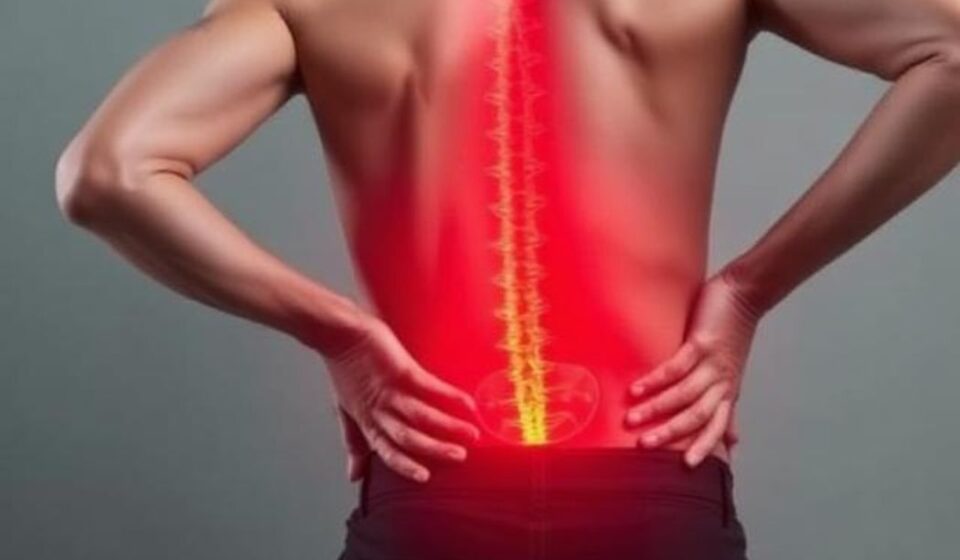

Remember that moment you bent down to tie your shoe and suddenly felt a sharp, searing pain in your lower back? Or perhaps it was that time you spent an entire weekend moving furniture, only to wake up Monday morning feeling like your spine had aged fifty years overnight. The struggle to stand up straight, the wince with every step, and the sudden realization that even simple tasks now feel monumental.
Welcome to the world of lumbago.
While the term might sound like something from an antique medical textbook, lumbago is simply a formal name for a condition that a staggering 80% of adults will experience at some point in their lives. This isn’t just a statistic—it’s a shared human experience. Whether you’re an athlete, an office worker, or a weekend warrior, lower back pain is a near-universal disruptor of daily life.
The good news is that for the vast majority—about 90% of cases—lumbago is a temporary, manageable condition that resolves within weeks. The challenge lies in understanding the unique story your back is telling you and responding with effective, science-backed care.
In this comprehensive guide, we’ll demystify lumbago, exploring its nuanced causes, evidence-based treatments, and actionable strategies to keep you moving. Let’s get started.
Table of Contents
TogglePart 1: What Exactly is Lumbago?
More Than Just Back Pain
Lumbago refers to pain felt in the lumbar region of the spine—the lower part of your back just above your buttocks. It’s an umbrella term, not a diagnosis of a specific disease. Think of it like the term “headache”—it tells you where the pain is but not what is causing it.
This pain can manifest in various forms:
-
A dull, persistent ache
-
Sharp, stabbing sensations that catch you off guard
-
Muscle spasms that cause tightness and reduced mobility
What makes lumbago particularly complex is that it can be categorized by both duration and origin.
By duration:
-
Acute Lumbago: Lasts less than 6 weeks—the most common type
-
Subacute Lumbago: Persists for 6 to 12 weeks
-
Chronic Lumbago: Continues beyond 12 weeks
By origin:
-
Common (Non-Specific) Lumbago: This accounts for around 90% of cases and involves pain without a specific identifiable structural problem. It’s often related to simple muscle strains, ligament sprains, or mechanical issues.
-
Specific Lumbago: Pain linked to an underlying condition like a herniated disc, arthritis, infection, or other structural spine problems.
The key distinction between lumbago and related conditions like sciatica lies in where the pain travels. While lumbago is localized to the lower back, sciatica involves pain that radiates down the leg due to irritation of the sciatic nerve.
Part 2: The Root Causes of Lumbago
The Complex Web of Lower Back Pain
Diagnosing the exact cause of lumbago can be challenging due to the complexity of the lumbar spine, which consists of bones, discs, nerves, muscles, and ligaments all working together. Understanding the potential triggers is the first step toward effective management.
Common causes include:
-
Muscle or Ligament Strain: This is the most frequent culprit. Heavy lifting, sudden awkward movements, or even prolonged poor posture can overstretch and injure the supportive tissues of the back. This often explains that immediate pain from moving furniture or engaging in an unaccustomed physical activity.
-
Herniated or Bulging Discs: The spinal discs act as cushions between vertebrae. When a disc bulges or ruptures, it can press on nearby nerves, leading to significant pain.
-
Arthritis: Osteoarthritis can affect the facet joints of the spine, causing stiffness and pain.
-
Lifestyle Factors: A modern lifestyle can wreak havoc on our backs:
-
Poor Posture: Slouching or sitting incorrectly puts undue stress on the spine.
-
Sedentary Living: Lack of exercise weakens core muscles, reducing support for the spine.
-
Obesity: Excess weight puts additional, continuous pressure on the lower back structures.
-
-
Stress and Psychological Factors: Emotional stress can manifest physically as muscle tension, which can worsen back pain. This connection is often overlooked but crucial.
Part 3: Treating Lumbago—What Actually Works?
Listening to Your Body, Moving Forward
The old advice of “bed rest” for back pain is outdated and can be counterproductive. Prolonged inactivity weakens muscles, potentially prolonging recovery. The goal of treatment is to manage acute pain while safely maintaining movement and strengthening the back.
Effective Home Remedies and Lifestyle Approaches
For the most common form of acute, non-specific lumbago, these strategies are highly effective:
-
Stay Active, But Gentle: Continue your daily activities as much as possible within the limits of your pain. Gentle walking or light stretching can be very beneficial.
-
Ice and Heat Therapy:
-
In the first 48 hours, apply ice packs to reduce inflammation.
-
After the swelling subsides, switch to heat therapy (like a heating pad or warm bath) to relax tense muscles and improve blood flow.
-
-
Core Strengthening Exercises: Strengthening the muscles around your abdomen and spine provides crucial support. The Williams Flexion Exercises—a classic series including the pelvic tilt, knee-to-chest motion, and partial sit-ups—are historically recommended for this purpose. While their superiority over other methods is debated, they offer a structured approach to core strengthening.
-
Medication: Over-the-counter pain relievers like ibuprofen or acetaminophen can provide temporary relief. Always consult a doctor before starting a long-term medication regimen.
-
Stress Management: Since stress can contribute to muscle tension, incorporating relaxation techniques like deep breathing or meditation can be beneficial.
When to See a Professional
While most cases resolve on their own, it’s vital to recognize “red flags” that signal a more serious issue. See a doctor immediately if you experience:
-
Pain that lasts more than a few weeks without improvement.
-
Pain that radiates down your legs, causing numbness, tingling, or weakness.
-
Loss of bladder or bowel control.
-
Pain following a significant fall or injury.
-
Unexplained weight loss or fever.
A medical professional can perform a physical exam and may recommend imaging tests like an X-ray or MRI to rule out specific conditions.
Part 4: Preventing Future Lumbago
Building a Back-Healthy Lifestyle
Prevention is undeniably the best strategy. By making simple adjustments to your daily routine, you can protect your back and significantly reduce the risk of future episodes.
-
Move More, Sit Less: Combat a sedentary lifestyle by taking short breaks to stand, stretch, and walk.
-
Practice Proper Lifting: Always bend at your knees, not your waist. Keep the object close to your body and use your leg muscles to lift.
-
Maintain a Healthy Weight: Reducing excess weight decreases the strain on your spine.
-
Support Your Spine While Sleeping: Use a medium-firm mattress that provides good support and promotes proper spinal alignment.
-
Incorporate Regular Exercise: A mix of strengthening, stretching, and aerobic activity is ideal.
Part 5: Common Mistakes and How to Avoid Them
-
Mistake: Rushing to bed rest.
-
Solution: Stay active and mobile within your limits. Think “movement is medicine,” not “rest is best.”
-
-
Mistake: Relying on heavy painkillers to mask symptoms while continuing harmful activities.
-
Solution: Use pain relief to facilitate rehabilitation and movement, not to ignore the underlying cause of the pain.
-
-
Mistake: Ignoring “red flag” symptoms.
-
Solution: Always take severe, radiating, or persistent pain seriously and seek professional help.
-
-
Mistake: Neglecting psychological factors.
-
Solution: Recognize that stress and anxiety can exacerbate physical pain and manage them with mindfulness, relaxation, or therapy.
-
Part 6: The Future of Back Pain Management
As of 2026, the approach to lumbago is shifting from passive treatment to active management. Technology, like wearable devices and apps, is empowering patients to track their activity, posture, and even their stress levels. The focus is increasingly on personalized care—understanding that the cause and treatment for one person’s lumbago may differ significantly from another’s.
Further integrating psychological support with physical therapy represents a promising future direction, acknowledging that pain is not merely a physical phenomenon but a holistic experience influenced by our mental state.
Conclusion & Key Takeaways
Lumbago is a common, yet deeply personal, disruption to life. The path to relief is not always a straight line, but it is a manageable one.
-
Lumbago is a term for lower back pain, not a disease in itself.
-
For 90% of cases, it’s acute and resolves within weeks with proper care.
-
Treatment focuses on staying active, applying ice/heat, strengthening core muscles, and using medication for short-term relief.
-
Prevention is paramount: maintain a healthy weight, exercise regularly, practice good posture, and use correct lifting techniques.
-
Don’t ignore red flags. Seek medical help for severe, radiating, or persistent pain.
Your back is the structural foundation of your daily life. By understanding its language and responding with care, you can build a stronger, more resilient future.
Frequently Asked Questions (FAQs)
Q1: Is lumbago the same as sciatica?
No. Lumbago is pain localized in the lower back, while sciatica is pain that radiates down the leg from the lower back due to compression of the sciatic nerve. Lumbago can sometimes be a symptom of sciatica, but they are not the same condition.
Q2: How long does lumbago usually last?
Acute lumbago typically resolves within 4 to 6 weeks. If it lasts longer, it is considered subacute (6-12 weeks) or chronic (over 12 weeks).
Q3: When should I see a doctor for lumbago?
You should see a doctor if the pain is severe, doesn’t improve after a few weeks, radiates down your leg causing numbness or weakness, or is accompanied by loss of bladder/bowel control or a fever.
Q4: Can stress really cause lumbago?
Yes. Emotional stress and anxiety can lead to increased muscle tension, particularly in the back and neck, which can trigger or worsen lumbago.
Q5: What is the best way to sleep with lumbago?
Sleeping on your side with a pillow between your knees or on your back with a pillow under your knees can help maintain the natural curve of your spine and reduce pressure.
Sources:
-
Apollo 24|7, “Understanding Lumbago: Symptoms and Treatment,” 2025
-
Thuasne, “Low back pain: symptoms, causes and treatments,” 2025
-
F.F. Casale, “A proposed simple classification of musculo-skeletal pain,” Annals of the Royal College of Surgeons of England, 1983
-
NIH / StatPearls, “Williams Back Exercises,” 2025
-
Dunbar Medical, “Lumbago: A Guide To Its Possible Causes”
-
ScienceDirect, “Mechanical disorders of the lumbar spine: differential diagnosis”
-
medi, “Exercises for lower back pain,” 2023
-
Apollo 24|7, “Understanding Lumbago: Definition and Insights,” 2026
-
Ubie, “How is lumbago related to sciatica?”, 2025

admin
M Umer Abbasi is a luxury lifestyle journalist and editorial curator specializing in haute horology, passion investments, and avant-garde design. With an eye for flawless craftsmanship and heritage storytelling, he deconstructs the world of high-ticket assets—from secondary watch market trends to the evolution of bespoke tailoring. His work focuses on shifting the luxury narrative away from fleeting trends and toward timeless design, raw materials, and true artisanship.