
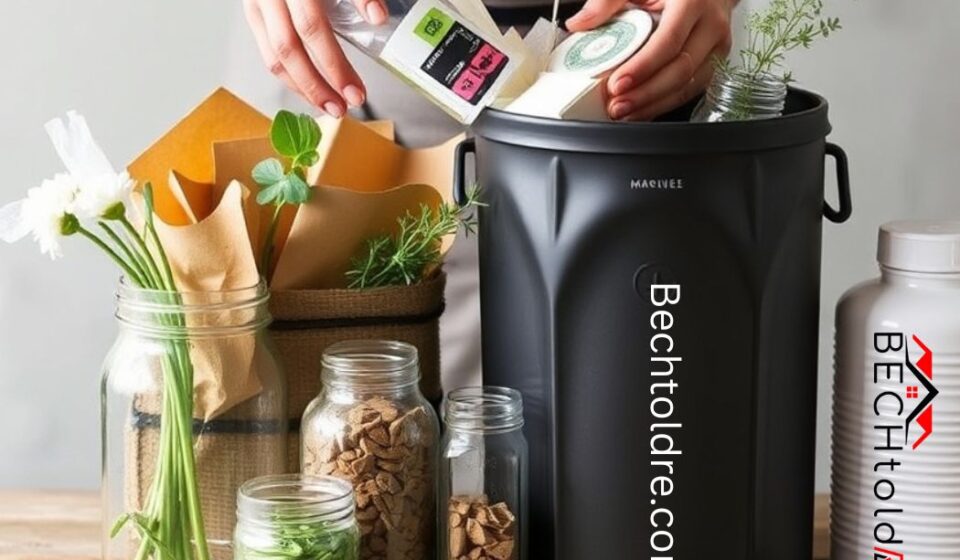

Let’s be honest: when you first hear the phrase “zero waste lifestyle,” your brain probably jumps to a perfect Instagram photo. You know the one—a glass jar holding a year’s worth of trash, a influencer wearing linen, and absolutely no plastic in sight.
But here is the truth bomb: Zero waste is not about perfection. It is about progress.
In this guide, I am going to show you how to ditch the guilt, save hundreds of dollars, and actually stick to a low-waste routine—even if you live in a small apartment or have a busy family.
What is a Zero Waste Lifestyle? (It’s Not What You Think)
The official definition comes from the Zero Waste International Alliance:
“The conservation of all resources by means of responsible production, consumption, reuse, and recovery of products, packaging, and materials.”
But in plain English? It means sending nothing to the landfill.
However, for the average person, going “absolute zero” is impossible (unless you live off-grid). That is why most experts now focus on low-waste living—making small, sustainable swaps that reduce your trash by 80-90%.
Why Bother? The Statistics are Shocking
-
The average American throws out 4.9 pounds of trash per day.
-
Only 9% of all plastic ever created has been recycled.
-
Landfills are the third-largest source of human-related methane gas in the U.S.
When you reduce waste, you aren’t just “being crunchy.” You are actively fighting climate change.
The 5 R’s of Zero Waste (In the Right Order)
Most people only know “Recycle.” But recycling is actually the last resort. Here is the correct hierarchy, popularized by Bea Johnson:
1. Refuse (What you do NOT need)
Say no to freebies, junk mail, promotional swag, and single-use plastics. The easiest waste to manage is the waste you never bring home.
2. Reduce (What you DO need)
Declutter your life. Own less stuff. Buy in bulk. When you reduce your consumption, you automatically reduce your waste.
3. Reuse (Switch to reusables)
Use glass jars, cloth bags, metal straws, and refillable water bottles.
4. Rot (Compost)
Food scraps make up 22% of landfill trash. Composting turns waste into gold for your garden.
5. Recycle (What is left)
Only recycle clean, dry materials. And remember: Wish-cycling (throwing trash in the bin hoping it gets recycled) actually ruins entire batches.
Zero Waste for Beginners: 5 Easy Swaps (Under $10)
Do not run out and buy a $40 stainless steel kit. Start with these high-impact, low-cost swaps:
| Swap This | For This | Money Saved |
|---|---|---|
| Plastic water bottles | Reusable water bottle (use tap water) | $200+/year |
| Paper towels | Unpaper towels or cut-up old t-shirts | $100+/year |
| Ziploc bags | Beeswax wraps or glass containers | $50/year |
| Liquid shampoo in plastic | Shampoo bar (no packaging) | $30/year |
| Grocery plastic bags | Reusable mesh bags or cotton totes | Free (after 10 uses) |
Pro Tip: Do not buy “zero waste kits” new. First, look in your own kitchen. That spaghetti sauce jar? That is now your water glass.
The Biggest Myth: “It’s Too Expensive”
Let me stop you right there. The zero waste lifestyle saves you money. Full stop.
-
Food: Buying in bulk reduces “packaging tax.” Oats, rice, and beans cost 30% less when scooped from a bin.
-
Cleaning: One bottle of white vinegar ($3) and baking soda ($1) replaces 10 different plastic spray bottles.
-
Fashion: Thrifting clothes keeps them out of landfills and costs 90% less than fast fashion.
The only people who say zero waste is expensive are the people selling you “aesthetic” bamboo gadgets. You do not need them.
How to Start Your Zero Waste Journey (The 1-Month Plan)
Do not try to change everything on Monday. You will burn out. Use this realistic timeline:
Week 1: The Audit
Save all your trash for one week. Look at it. What is the one thing you see most often? (Coffee cups? Veggie wrappers?) Target that first.
Week 2: The Kitchen
Switch to cloth napkins and a dish brush with a compostable head. Start collecting veggie scraps in a freezer bag for broth or compost.
Week 3: The Bathroom
Switch to a safety razor (blades are metal and recyclable) and a bamboo toothbrush. Make a DIY sugar scrub instead of buying body scrubs in plastic tubes.
Week 4: On-the-Go
Build your “Zero Waste Go Bag.” Keep these three items in your purse or car:
-
A reusable coffee cup
-
A metal straw
-
A foldable tote bag
What About Recycling? (The Honest Truth)
I hate to break it to you, but recycling is a broken system in many cities. China stopped taking our plastic waste in 2018. Now, most #3-7 plastics go straight to the landfill.
The solution? Stop relying on recycling.
-
Focus on Reuse and Refuse first.
-
Only buy recyclable materials (glass, aluminum, #1 & #2 plastic).
-
Call your local recycling center to ask what they actually accept.
Zero Waste Living with Kids and Pets
Can you do this with a toddler or a dog? Absolutely.
-
Kids: Use cloth diapers (save $1,000+ per child). Buy wooden toys from thrift stores. Pack lunch in a bento box, not plastic bags.
-
Pets: Buy dog food from refill stores. Use newspaper for litter box liners. Make DIY dog treats from leftovers.
You Will Fail. That is Fine.
I have been doing this for three years. Last month, I bought a bag of chips in a plastic wrapper. Why? Because I was tired and hungry and the bulk bin was closed.
Zero waste is not a purity test.
If you produce one jar of trash a month, amazing. If you produce three bags a month, you are still doing better than 90% of the population.
The planet does not need 1,000 people doing zero waste perfectly. It needs 1 million people doing it imperfectly.
Frequently Asked Questions (FAQs) About Zero Waste Living
Still have questions? You are not alone. Here are the most common concerns people have when starting their zero waste lifestyle.
1. Is zero waste actually achievable?
No, not 100%. And that is okay. The term “zero waste” is a goal, not a requirement. Even Bea Johnson, the face of the movement, admits her family still produces some trash. Aim for as close to zero as possible, but don’t let perfectionism stop you from making progress.
2. What do I do with the plastic I already own?
Keep using it. The most sustainable item is the one you already have. Do not throw away perfectly good plastic Tupperware just to buy glass. Use it until it breaks, then recycle it (if possible) and replace it with a better option.
3. How do I shop zero waste without a bulk store near me?
Great question. If you live in a “bulk desert”:
-
Shop the perimeter of regular grocery stores (produce, bakery, deli) – you can bring your own bags for loose fruits and veggies.
-
Buy larger sizes (a 5lb bag of rice creates less plastic waste than 10 small bags).
-
Order online from companies like The Wally Shop or Public Goods that ship in reusable/paper packaging.
-
Start a community bulk bin – find 3 neighbors and split a 25lb bag of oats or beans.
4. Is a zero waste lifestyle more expensive?
For the first month, maybe. If you buy all new stainless steel containers, yes, it hurts the wallet. But over 6 months? You save hundreds. Think about it: you stop buying paper towels, bottled water, ziploc bags, disposable razors, and plastic wrap. Those costs add up fast. Zero waste is a long-term money saver.
5. What is the hardest waste to eliminate?
For most people: medical waste (pill bottles, blister packs, syringes) and food packaging for items like cheese, meat, and yogurt.
-
Solution for medical waste: Talk to your pharmacy. Some accept empty pill bottles for reuse.
-
Solution for food: Look for a local butcher or cheese counter that will wrap items in your own container. Or simply accept that some waste is unavoidable and focus on the 80% you can control.
6. Can I compost if I live in an apartment?
Yes! Try:
-
Vermicomposting (a worm bin under your sink – no smell, I promise).
-
Bokashi bin (ferments food scraps indoors).
-
ShareWaste.com – a website that connects you with a neighbor who has a backyard compost pile.
-
Drop-off programs – many farmers markets and city recycling centers accept food scraps.
7. Do reusable bags and bottles really help?
Absolutely. A single reusable water bottle saves an average of 156 plastic bottles per year. A cloth shopping bag replaces over 500 plastic bags in its lifetime. But the real win is the message it sends: every time you refuse a single-use item, you normalize a better way.
8. What about toilet paper? Isn’t it wasteful?
Toilet paper is tricky because most is wrapped in plastic. Better options:
-
Who Gives A Crap – delivers recycled or bamboo TP in paper wrapping.
-
Bidet attachment ($30 on Amazon) – reduces TP use by 90%.
-
Family cloth (cloth wipes) – not for everyone, but it works for many zero-wasters.
9. How do I handle zero waste at restaurants or parties?
Do your best. You can:
-
Ask the server to hold the straw and napkins.
-
Bring a small container for leftovers (many restaurants will use it).
-
If a party has paper plates, use one. Don’t stress. The goal is to reduce your long-term habits, not to be the “plastic police” at a birthday party.
10. Where do I start if I feel overwhelmed?
Start with the bathroom. It is small, contained, and full of easy swaps (shampoo bar, safety razor, bamboo toothbrush). Once you master the bathroom, move to the kitchen. Then the laundry room. One room at a time. You have years to get this right – not one weekend.
Conclusion: Your Zero Waste Journey Starts Today
Let me be direct with you. You will never be perfect at zero waste. And that is exactly why you should start.
Too many people never begin because they are afraid of failing. They think, “If I can’t fit a year of trash in a mason jar, why bother?”
Here is why: because every single swap matters.
-
That reusable coffee mug you used this morning? It kept one Styrofoam cup out of a landfill.
-
That cloth bag you brought to the grocery store? It means one less plastic bag floating in the ocean.
-
That jar of tomato sauce you cleaned and reused as a food storage container? That is one less piece of glass needing energy to recycle.
The zero waste lifestyle is not a destination. It is a direction.
You don’t need glass jars filling your pantry, a composting system that costs two hundred bucks, or a single stitch of homemade organic hemp produce bags.
Your simple three-step reminder:
-
Refuse what you do not need.
-
Reduce what you do need.
-
Reuse what you already have.
And on the days you forget your bags, or you buy the plastic-wrapped cheese because you are exhausted? Forgive yourself. Try again tomorrow.
The planet does not need you to be a perfect zero-waste warrior. It needs you to be a conscious consumer who tries, learns, and does a little better each week.
So here is your challenge: pick one swap from this guide. Do it today. Then come back and tell me about it in the comments.