
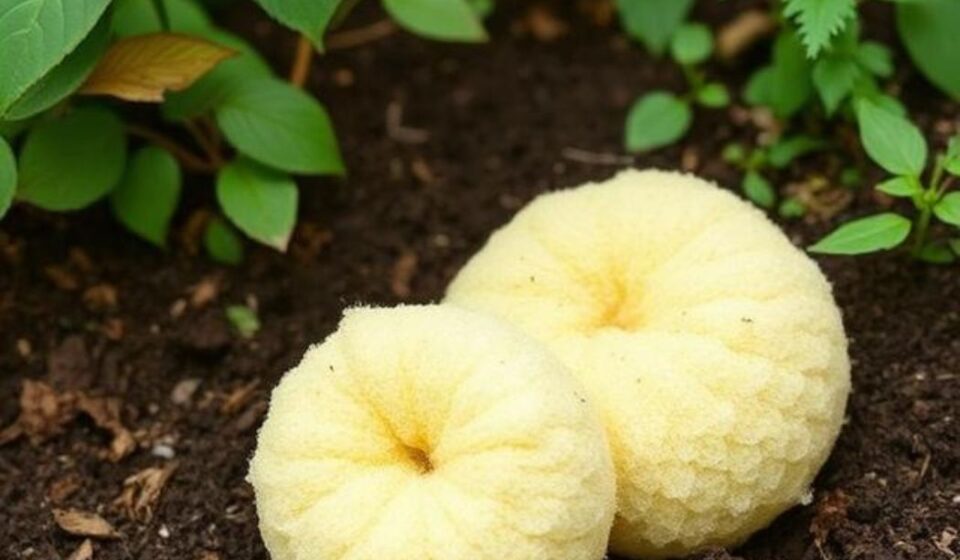

Picture this: you’re scrubbing a greasy pan, and you pause. What happens to that bright green and yellow sponge when you toss it in the bin? It will sit in a landfill for over 500 years, slowly releasing microplastics into the environment and eventually, our food chain. It’s a sobering thought, but it’s the reality of the 400 million plastic sponges discarded by UK households every year.
Enter composty—a term and a movement that’s changing the way we think about the humble kitchen sponge. In this comprehensive guide, we’ll dive deep into what “composty” means, introduce you to the leading brand behind the name, and provide you with all the knowledge you need to make a sustainable swap that’s good for your home and the planet. By the end of this article, you’ll understand why choosing a composty sponge is one of the simplest and most effective ways to reduce your environmental footprint.
Table of Contents
ToggleWhat Exactly Does “Composty” Mean?
Before we get into the brand, let’s define the term itself. The word “composty” is an informal adjective that essentially means “resembling or characteristic of compost” . It’s a simple, evocative way to describe something that is organic, plant-based, and destined to break down naturally into nutrient-rich soil. When we talk about a “composty sponge,” we’re referring to a cleaning tool made entirely from natural materials that will decompose harmlessly at the end of its life. It’s a contrast to the synthetic, plastic-based alternatives that have dominated the market for decades.
The Composty Brand: A Story of Conscious Consumerism
While “composty” is a descriptive term, it is also the name of an award-winning, UK-based ethical business that has taken the concept to heart. The brand’s story is a relatable one, born out of the frustrations of everyday life.
The Journey from Frustration to Innovation
Founded by Helen and Matt in February 2021, Composty was born from a very personal place. After the birth of their daughter in 2016, they were motivated to live more sustainably but were disheartened by the options available. They found that many eco-friendly solutions were overpriced and often guilty of “greenwashing”—making misleading claims about their environmental benefits. Their own budget frustrations led them to create a company that offers genuinely sustainable, affordable alternatives.
Their mission is to make sustainable living accessible to everyone, not just those who can afford a premium. Composty has since grown into a beloved brand, with over 55,000 households across the UK trusting their products to provide a cleaner home and a cleaner conscience.
A Mantra of Sustainability
The company’s values are its foundation. It’s not just about selling a product; it’s about being a catalyst for change. Composty is guided by a strong ethical framework, including a commitment to being a plastic-free, zero-waste brand that donates 1% of its revenue to environmental charities as part of its “Composty Cares” promise. This commitment to giving back underscores their dedication to combating climate change.
The Product Range: What Makes a Composty Product Special?
Composty isn’t a one-hit-wonder; they have built a range of cleaning essentials designed for a low-impact, zero-waste lifestyle.
The Award-Winning Loofah Sponges
The flagship products are undoubtedly their plant-based loofah sponges. These have been recognized by the Good Housekeeping Institute as the “Best Eco Sponge” in both 2024 and 2025, beating out other leading UK brands.
-
Dual-Sided Design: The sponges are cleverly designed with a soft cellulose sponge on one side for gentle wiping and a non-scratch loofah pad on the other for tackling tough grime. This makes them safe for non-stick cookware, delicate glassware, and everyday dishwashing.
-
Durable and Long-Lasting: Don’t let the natural materials fool you. These sponges are built to last. They can be refreshed in the dishwasher or washing machine, extending their lifespan to 6–8 weeks of daily use, and they even outlast traditional plastic sponges.
-
Space-Saving Pop-Up Design: To reduce waste and save storage space, the sponges are shipped flat-packed, expanding instantly into a full-sized sponge when they come into contact with water. They expand to roughly 11.5cm x 7.5cm x 1.4cm.
The Scourge of Microplastics
A key reason to switch to a composty sponge is the issue of microplastics. Synthetic plastic sponges shed an average of 6.5 million microplastic particles per use. These tiny particles eventually make their way into our oceans, our food, and even our bodies. Composty sponges, being made from natural cellulose and loofah, shed no microplastics, making them a healthier choice for your family and the planet.
The Multi-Purpose Swedish Dishcloths
Beyond their famous sponges, Composty also offers highly absorbent and versatile Swedish dishcloths. These are masters of many household jobs, from wiping surfaces and mopping up spills to the washing-up itself.
-
Renewable Materials: These dishcloths are made from FSC-approved renewable sources (cellulose and cotton), ensuring they come from responsibly managed forests.
-
Full Home Compostability: Just like the sponges, these dishcloths—and their packaging—are 100% home compostable. When they’ve reached the end of their useful life, you can simply pop them into your compost bin to give back to the environment.
Practical Tips: How to Get the Most Out of Your Composty Sponges
Switching to a new product can come with a learning curve. Here are some practical tips to make your transition smooth and your cleaning routine as efficient as possible.
1. Fluffing Up Your Composty Sponge
Don’t be confused when your sponge arrives looking like a thin piece of card! To “activate” your sponge, simply hold it under running water. You’ll see it instantly expand in your hands as the cellulose rehydrates. This pop-up design is intentional; it minimizes packaging waste and saves space during shipping and in your cupboards.
2. Extending the Lifespan
One of the best features of these sponges is how long they can last with proper care.
-
Rinse and Squeeze: After each use, give your sponge a thorough rinse under hot water to remove food particles and soap residue, then squeeze it out well to help it dry faster.
-
Air Dry: Place your sponge in a dry, well-ventilated spot to air dry. This prevents the growth of bacteria.
-
Machine Washable: When it starts to look a little worse for wear, or if you want to sanitize it, simply toss it in the dishwasher or pop it in the washing machine. This will freshen it up and extend its life significantly. With this care, a single sponge can last up to 6-8 weeks for washing up and up to a year for general surface wiping!
3. When to Compost Them
Eventually, every sponge’s useful life comes to an end. When your Composty sponge is no longer fit for cleaning, don’t throw it in the bin! Because it’s made from 100% plant-based materials and stitched with organic cotton, it’s fully home-compostable. Just tear it up and add it to your compost heap.
Common Mistakes and Challenges (and How to Solve Them)
Switching to a natural sponge is simple, but there can be a few hurdles. Here’s what to watch out for.
Mistake 1: Expecting It to Feel Like a Plastic Sponge
The Solution: A natural sponge has a different texture and feel, especially the loofah scrubber side. It might feel a bit rougher and less “squishy.” This is normal! The loofah is designed to be a highly effective, non-scratch scrubber. Give it a few uses; you’ll quickly appreciate its cleaning power. It’s a sign of a robust, natural product.
Mistake 2: Letting It Sit in a Puddle of Water
The Solution: Unlike plastic sponges that can survive waterlogging, natural cellulose sponges will degrade faster if left constantly saturated. Always remember to squeeze them out thoroughly after each use and store them where they can properly air dry. This is not a design flaw but a feature that encourages better hygiene habits.
Mistake 3: Throwing It in the General Waste
The Solution: This is the single most important mistake to avoid. The whole point of a composty product is that it returns to the earth. If you toss it in the bin, it ends up in a landfill, breaking down without oxygen to release methane, a potent greenhouse gas. The life cycle isn’t complete until you compost it. Use it, clean it, and then let it give back to the earth.
The Pros, Cons, and a Balanced Analysis
To give you a fair assessment, let’s weigh the advantages and disadvantages of making the switch.
Pros:
-
Environmental Impact: Massively reduces your plastic footprint, sends zero waste to landfill, and contributes to a circular economy.
-
Health Benefits: Free from toxic chemicals, dyes, and microplastics that can harm human health.
-
Superior Performance: Highly absorbent, long-lasting, and surprisingly durable, often outperforming their plastic counterparts.
-
Cost-Effective: While the upfront cost might be higher, their longevity means you’ll buy fewer sponges over time, making them a smart investment.
-
Ethical Business: Supporting a brand that is transparent and genuinely committed to fighting climate change.
Cons:
-
Adjustment Period: It can take a little while to get used to the texture and care requirements.
-
Requires Composting: To fully realize the environmental benefits, you need to have access to a home compost system or a suitable green waste collection.
-
Upfront Cost: Natural materials can be more expensive to produce than cheap plastics, so the initial price point is higher.
The Verdict:
For the vast majority of eco-conscious consumers, the pros far outweigh the cons. The minor inconvenience of a learning curve and the slightly higher upfront cost are easily offset by the significant environmental benefits and long-term value. As the brand itself says, they offer a solution that’s “affordable to families like us” without the false promises.
Future Trends: The Rise of the Zero-Waste Home
Looking ahead to the rest of 2026 and beyond, the trend of zero-waste living is only set to grow. Consumers are more informed and discerning than ever, driven by a desire to reduce their personal environmental impact and call out companies that aren’t doing their part.
Here are some key trends we can expect to see:
-
Transparency is King: Brands like Composty, which openly discuss their supply chains, material sourcing, and eco-credentials, will thrive. Consumers are wary of greenwashing and will seek out authentic stories and tangible proof of sustainability, such as “1% for the Planet” commitments.
-
Home Composting as a Standard: As more cities and countries implement food waste recycling, home composting will become more mainstream. Products designed to be home-compostable will be a major selling point, making the disposal process simple and rewarding.
-
Beyond the Sponge: The “composty” philosophy will expand into more areas of the home. We are already seeing it in dishcloths and cleaning accessories, and this will likely grow into other kitchen, bathroom, and laundry products.
-
A Shift in Definition of Durability: Durability will be redefined not as a product that lasts forever in a landfill, but one that provides excellent, long-lasting service and then biodegrades naturally when its job is done.
Key Takeaways
Summary Box: Why Switch to Composty?
-
What it is: A natural, plastic-free, and fully home-compostable sponge and cleaning brand.
-
The Problem: Traditional plastic sponges take 500+ years to decompose and shed microplastics with every use.
-
The Solution: Composty’s plant-based sponges and dishcloths are just as effective, last up to 8 weeks, and can be composted at home at the end of their life.
-
The Brand: Founded by a family wanting to make sustainable living affordable and accessible for everyone.
-
The Benefit: A clean home, a clear conscience, and a tangible step towards reducing your plastic waste.
Frequently Asked Questions (FAQs)
1. What is a composty sponge made of?
Composty sponges are made from 100% plant-based materials, primarily natural cellulose and a loofah scrubber pad, stitched together with organic cotton. They contain no plastic or glue.
2. Can I put a Composty sponge in my home compost bin?
Yes! This is one of their main selling points. After their long life is over, they are fully home-compostable. Just tear them up and add them to your compost.
3. How long does a Composty sponge actually last?
With proper care (rinsing and air drying), one sponge can last for 6-8 weeks for washing dishes. For lighter tasks like wiping surfaces, they can last for up to a year.
4. Is Composty a UK-based company?
Yes, it is a family-run business based in the West Midlands, UK.
5. Are Composty products safe for non-stick pans?
Yes, the loofah scrubber is designed to be non-scratch, making it safe to use on non-stick cookware and delicate glassware.
6. Why should I avoid plastic sponges?
Plastic sponges are made from synthetic polymers that take hundreds of years to decompose. Worse, they shed microplastics—tiny pieces of plastic—into your water with every use, which end up in our waterways and food chain.
7. Can I wash my Composty sponge to make it last longer?
Absolutely. You can refresh it in the washing machine or dishwasher to remove bacteria and extend its lifespan significantly.
8. Does Composty have any eco-certifications?
Their sponges were voted “Best Eco Sponge” by the Good Housekeeping Institute in 2024 and 2025. They are also a member of 1% for the Planet, donating a portion of every sale to environmental charities.
Conclusion: A Simple Swipe for a Better Future
Switching to a composty lifestyle isn’t about perfection; it’s about progress. It’s about looking at the everyday items we use—things as mundane as a kitchen sponge—and asking if there is a better way. Composty, the brand, has proven that the answer is a resounding yes.
By choosing a natural, plant-based sponge, you are making a powerful statement. You’re voting for a world with less plastic, fewer microplastics, and more accountability from the brands we trust. You’re supporting a family-run business that is genuinely trying to make a difference. Most importantly, you’re taking a simple, affordable step toward protecting our planet for future generations.
It’s a small change, but as Helen and Matt from Composty show us, these small changes are what will eventually make the biggest difference.
Further Reading:
-
Discover more about the impact of plastic pollution in our oceans and on human health.
-
Explore other eco-friendly swaps for your kitchen, bathroom, and beyond.
Sources:
-
Amazon UK Store Page for Composty, detailing product specifications, awards, and material composition.
-
Localscale.org company profile for Composty, offering detailed background on the founders, their motivations, and key company statistics.
-
WikiDiff entry defining the term “composty” as an adjective meaning “compostlike”.
Tags:
Compostys
admin
M Umer Abbasi is a luxury lifestyle journalist and editorial curator specializing in haute horology, passion investments, and avant-garde design. With an eye for flawless craftsmanship and heritage storytelling, he deconstructs the world of high-ticket assets—from secondary watch market trends to the evolution of bespoke tailoring. His work focuses on shifting the luxury narrative away from fleeting trends and toward timeless design, raw materials, and true artisanship.