
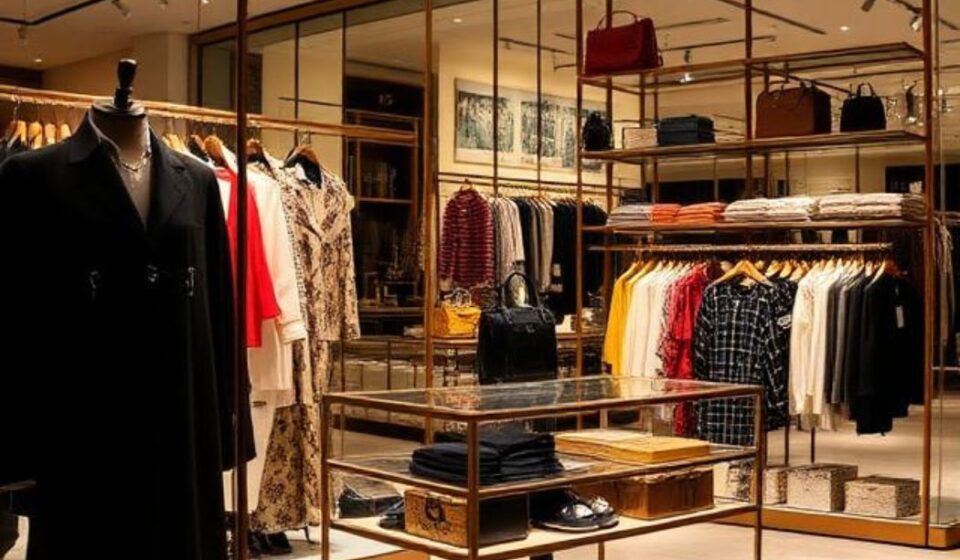

Picture this: It’s 2019, and you’re standing outside a flagship store on Fifth Avenue. The doorman gives you a once-over, mentally calculating your net worth based on your handbag. Inside, sales associates circle like sharks, deciding who deserves their attention. The experience is exclusive, intimidating, and—for many—deeply unwelcoming.
Fast forward to 2026, and that same brand is inviting you to a virtual fashion show in the metaverse, offering AI-powered personal styling from your living room, and shipping your purchase in fully compostable packaging within hours.
What happened? The luxury fashion retail industry underwent a transformation more radical than anything since the invention of the department store. And we’re only just getting started.
Background: The Luxury Landscape Before the Storm
To understand where luxury fashion retail is heading, we need to appreciate where it came from. For decades, the luxury sector operated on a simple formula: scarcity, heritage, and exclusivity. Brands like Hermès, Chanel, and Louis Vuitton built empires on the promise that their products were reserved for the worthy few.
The traditional luxury retail model relied heavily on:
-
Flagship stores in premium locations
-
Personal relationships between sales associates and high-net-worth clients
-
Seasonal collections presented at exclusive fashion weeks
-
Price integrity with minimal discounting
-
Wholesale partnerships with elite department stores
Then came the seismic shifts. The pandemic accelerated e-commerce adoption across every demographic. Gen Z and younger millennials emerged as the most influential luxury consumers, bringing entirely new expectations. And suddenly, legacy brands found themselves competing with nimble digital natives and, ironically, their own resale markets.
Main In-Depth Sections
1. The Digital-First Luxury Experience: Beyond the Website
Let’s address the elephant in the room—or rather, the elephant on your smartphone. Luxury e-commerce has come a long way from basic product pages with high-resolution images. In 2026, the digital luxury experience is expected to match—and sometimes exceed—the in-store experience.
Virtual Try-On and AI Fit Technology
One of the biggest barriers to online luxury shopping has always been fit. When you’re spending $2,000 on a dress, “it might fit” isn’t good enough. AI-powered fit technology now uses body scanning (done through your phone camera) to recommend exact sizes, with error rates under 2%. For footwear, brands like Zegna and Gucci have implemented 3D foot scanning that accounts for width, arch height, and even walking gait.
The Rise of Phygital Retail
The lines between physical and digital continue to blur. Flagship stores now feature:
-
RFID-enabled mirrors that suggest complementary items based on what you’re trying on
-
Digital “endless aisles” allowing customers to order out-of-stock items directly from store displays
-
QR codes on garment tags revealing the item’s sustainability credentials and supply chain journey
-
Private shopping suites with video consultations from remote stylists
Case Study: A leading luxury house implemented smart fitting rooms in 15 global locations, resulting in a 28% increase in average transaction value and a 40% reduction in returns. Customers spent an average of 12 more minutes per visit engaging with interactive mirrors.
2. Sustainability as the New Luxury Status Symbol
We’ve moved beyond “sustainability is nice to have” into “sustainability is a competitive necessity.” In 2026, the most coveted luxury items aren’t just beautiful—they’re responsible.
The Circular Economy Revolution
The secondhand luxury market is expected to reach $77 billion globally by 2026. But here’s what most articles miss: this isn’t just about affordability. Younger luxury consumers actively prefer pre-owned items because they represent:
-
Reduced environmental impact through extended product lifecycles
-
Greater authenticity—many items show natural patina that signals authenticity
-
Better investment value with limited-edition pieces appreciating over time
Brands that once fought resale are now embracing it. Gucci’s partnership with The RealReal, Stella McCartney’s rental platform, and the proliferation of brand-certified vintage programs signal a fundamental shift.
Supply Chain Transparency
Blockchain technology is now nearly standard for tracking high-value items. Consumers can scan a product’s NFC tag and see:
-
The date and location of production
-
Material sourcing details
-
Carbon footprint calculations
-
Labor conditions and certifications
-
Maintenance and repair history
This transparency isn’t just good PR—it’s becoming table stakes. A 2025 survey found that 73% of luxury consumers under 35 are willing to pay a premium for fully traceable products.
The Materials Revolution
Mycelium leather, lab-grown diamonds, and recycled ocean plastics are no longer novel concepts—they’re becoming preferred materials. And luxury brands are leading the charge, recognizing that innovation in materials positions them as forward-thinking rather than the material itself being a compromise.
3. AI-Powered Hyper-Personalization: The Concierge in Your Pocket
Generic marketing emails offering “recommendations just for you” are so 2020. Today’s luxury AI personalization anticipates needs before customers even articulate them.
What AI Personalization Actually Looks Like in 2026
It starts with opt-in data collection across touchpoints, but the magic happens through:
-
Preference prediction: AI analyzes browsing behavior, purchase history, returns, and even social media engagement to understand style preferences
-
Life event recognition: Systems detect when a customer is planning a wedding, attending a major event, or experiencing a milestone
-
Contextual awareness: Recommendations shift based on location, season, weather, and upcoming calendar events
-
Omnichannel consistency: The AI remembers that you tried on that jacket in-store but didn’t buy it, and follows up with an email when it goes on “private sale”
Human + AI: The Dream Team
The most successful luxury retailers aren’t replacing sales associates with AI—they’re augmenting them. Associates now have tablets or headsets with real-time customer profiles, showing:
-
Previous purchases
-
Styling preferences
-
Sizing history
-
Gift-giving patterns
-
Lifetime value metrics
This enables the associate to have a informed, meaningful conversation immediately—no more awkward attempts to guess what size or style a client might like.
4. The Experience Economy: Retail as Entertainment
In an age where nearly anything can be purchased online, physical luxury stores must offer something more than product selection. The experiential retail trend has moved from gimmick to core strategy.
Immersive Installations and Events
Flagship stores are transforming into:
-
Art galleries featuring rotating exhibitions from contemporary artists
-
Cafés and restaurants with brand-curated menus
-
Workshop spaces where customers can customize products
-
Co-working lounges for VIP clients
-
Event venues for exclusive product launches and performances
The ROI of Experience
Here’s the often-overlooked financial logic: experiential retail drives higher foot traffic, longer dwell time, increased emotional connection, and significantly higher conversion rates. A customer who spends two hours in a store experiencing brand stories, culture, and craftsmanship is far more likely to purchase and become a loyal advocate.
Example: One heritage maison reported that customers who attended in-store events had a 65% higher lifetime value and were three times more likely to engage with digital content after visiting.
5. New Ownership Models: Rental, Resale, and Subscription
The traditional model of “buy and own forever” is being challenged by more flexible options.
Luxury Rental
Rent the Runway pioneered this space, but now luxury houses are launching their own rental programs. The appeal is clear: access to high-end fashion for special occasions without the full purchase price, reduced wardrobe waste, and the ability to constantly refresh one’s look.
Resale Integration
Brands are no longer viewing resale as a threat. Instead, they’re:
-
Certifying and authenticating pre-owned items
-
Offering trade-in programs for store credit
-
Repurposing unsold inventory through secondhand channels
-
Creating capsule collections specifically for the rental market
Subscription Styling
Subscription-based luxury styling services are emerging, offering curated boxes of high-value items sent periodically. The business model relies on purchase rates typically around 30-40%, with returns analyzed for data insights.
6. The Metaverse and Web3 Integration
Let’s be honest—the metaverse hype has cooled from its fever pitch. But what remains is more meaningful: tangible utility from Web3 technologies.
Digital-Physical Hybrid Products
Brands are creating products that come with authenticated digital twins. These NFTs (or similar blockchain-backed assets) offer:
-
Proof of ownership with transferable authenticity
-
Virtual styling in gaming and social platforms
-
Exclusive experiences tied to the physical product
-
Community access with other owners
Virtual Flagships
Consider virtual storefronts in platforms like Decentraland or Roblox as not replacements for physical stores, but as extensions of the brand universe. They allow:
-
Global accessibility for markets without physical presence
-
Exclusive product drops with lower production costs
-
Brand storytelling through interactive environment
-
Data collection on engagement patterns
7. Direct-to-Consumer (D2C) Dominance
The wholesale model that once defined luxury retail has been disrupted. Brands are actively:
-
Buying back distribution rights from department stores
-
Reducing wholesale dependence to under 30% of revenue
-
Building direct-to-consumer channels that own the customer relationship
-
Controlling pricing, presentation, and customer experience end-to-end
This shift has profound implications: brands now have first-party data on their customers, higher margins, greater brand control, and the ability to test and iterate faster than ever before.
Practical Tips for Luxury Retailers (2026 Edition)
-
Audit your digital experience: Is your website as intuitive, responsive, and beautiful as your physical store? If not, prioritize investment here immediately.
-
Build a unified customer view: Break down silos between online, in-store, and customer service. The modern luxury customer expects seamless transitions across channels.
-
Start sustainability transparent: Even if your journey isn’t complete, begin publishing your sustainability metrics honestly. Consumers value progress over perfection.
-
Train associates for the new era: Your team needs digital literacy, empathy, and consultative skills. AI provides data; humans provide connection.
-
Experiment with new ownership models: Consider a small-scale rental or resale pilot to test consumer interest and operational requirements.
-
Invest in community: Build private communities for top-tier customers with exclusive content, early access, and events that foster genuine connection to the brand.
-
Monitor Gen Z carefully: Their spending power is growing, and their expectations around ethics, transparency, and digital experience will define the next decade.
Common Mistakes and How to Avoid Them
Mistake #1: Implementing Technology Without Purpose
Too many brands install flashy tech (interactive mirrors, virtual reality, blockchain) without a clear customer benefit.
Solution: Ask “What problem does this solve?” before any technology investment. If it doesn’t enhance the experience or operational efficiency, wait.
Mistake #2: Alienating Core Customers
Pursuing younger audiences sometimes means abandoning older, high-spending clients.
Solution: Segment your communications and create differentiated experiences for different customer tiers. Personalization works both ways.
Mistake #3: Greenwashing
Superficial sustainability claims are being caught and called out with increasing frequency.
Solution: Be transparent about what you’ve achieved and what’s still in progress. Authenticity matters more than perfection.
Mistake #4: Relying on Wholesale Relationships
Brands that remain overly dependent on department stores face higher costs, lower margins, and less customer insight.
Solution: Gradually shift toward D2C while maintaining strategic wholesale partnerships in key markets.
Mistake #5: Forgetting the Human Element
In the rush to digitize, some brands forget that luxury is fundamentally emotional.
Solution: Technology should enhance human connection, not replace it. Great associates with great tools outperform either alone.
Balanced Analysis: The Realities of Luxury Retail
The Good:
-
Greater accessibility and convenience for customers
-
Improved sustainability through circular models and transparency
-
Enhanced personalization and customer understanding
-
New revenue streams through rentals, resale, and digital products
-
More innovative and responsive product development
The Bad:
-
Increased competition from digital-first brands
-
Higher operational costs for omnichannel integration
-
Risk of diluting brand exclusivity through broad accessibility
-
Managing complex technology infrastructure across markets
-
Balancing digital innovation with heritage and authenticity
The Ugly:
-
Supply chain disruptions remain a persistent challenge
-
Cybersecurity risks with extensive data collection
-
Counterfeit technology becoming more sophisticated
-
Carbon footprint of digital infrastructure and logistics
-
Potential backlash from customers resistant to digital transformation
The wise retailer acknowledges these tensions and navigates them strategically rather than avoiding them.
Future Trends and Predictions for 2026–2030
-
Hyper-Local Manufacturing: 3D printing and local production hubs will reduce shipping times, carbon footprints, and tariff exposure.
-
Biometric Personalization: Wearable and sensor technologies will allow products to adapt to individual body shapes, sweat patterns, and movement styles.
-
AI-Curated Collections: Brands will use AI to design limited collections based on real-time customer preference data, reducing unsold inventory.
-
Experiential Membership Models: Luxury retailers will evolve from selling products to selling memberships that include styling, access, and experiences.
-
Voice and Conversational Commerce: Smart speakers and voice assistants will become significant purchase channels for repeat buyers.
-
Biodesign Materials: Bioengineered materials will become commercially viable and sought after, with luxury brands leading early adoption.
-
Neural Interface Beginnings: While still nascent, early neural interfaces could allow customers to “feel” fabric texture digitally—a game-changer for online luxury retail.
Key Takeaways
-
Luxury retail has transformed from exclusive, intimidating spaces to accessible, personalized, omnichannel experiences
-
Sustainability isn’t optional—it’s a core consumer expectation and competitive differentiator
-
AI and data analytics enable hyper-personalization that builds stronger customer relationships
-
Physical stores must offer immersive experiences, not just product displays
-
Rental, resale, and subscription models are creating new revenue streams and customer touchpoints
-
The most successful brands will balance digital innovation with human connection
-
2026–2030 will see accelerated integration of AI, materials science, and ownership models
Frequently Asked Questions
1. Is luxury e-commerce cannibalizing physical store sales?
Research suggests the opposite—omnichannel customers have 30-40% higher lifetime value than single-channel customers. Digital channels often drive physical store visits and vice versa.
2. How important is social media for luxury retail in 2026?
Extremely. However, successful luxury brands use social media for community building, storytelling, and education—not just direct sales.
3. Are younger consumers buying luxury goods?
Yes. Gen Z and young millennials represent the fastest-growing luxury demographic. However, they have different priorities: sustainability, transparency, and digital innovation matter as much as brand heritage.
4. Is the metaverse still relevant for luxury fashion?
Relevant but evolving. The focus has shifted from speculative virtual worlds to practical applications like authenticated digital twins, virtual try-on, and exclusive digital experiences tied to physical products.
5. How do I know if a luxury brand is truly sustainable?
Look for third-party certifications (B Corp, GOTS, etc.), transparent supply chain reporting, and circular business models (repair, rental, resale). Be wary of vague language like “eco-friendly” without specifics.
6. Will AI replace human luxury sales associates?
No. AI enhances human capabilities but cannot replace emotional intelligence, relationship-building, and nuanced clienteling. The best-performing retailers use AI to empower associates.
7. What’s the biggest challenge facing luxury retailers right now?
Balancing the demand for digital convenience with maintaining exclusivity and brand prestige. This tension requires careful navigation, especially in emerging markets.
Sources and Further Reading
This article is based on industry analysis from:
-
Bain & Company’s Luxury Goods Worldwide Market Studies (2024–2026)
-
Boston Consulting Group’s True-Luxury Global Consumer Insights
-
McKinsey & Company’s State of Fashion reports
-
The Business of Fashion and McKinsey’s State of Fashion 2026
-
Vogue Business sustainability and technology analyses
-
Euromonitor International’s Luxury Goods and Luxury Retail reports
-
Industry interviews and case studies from major luxury houses