
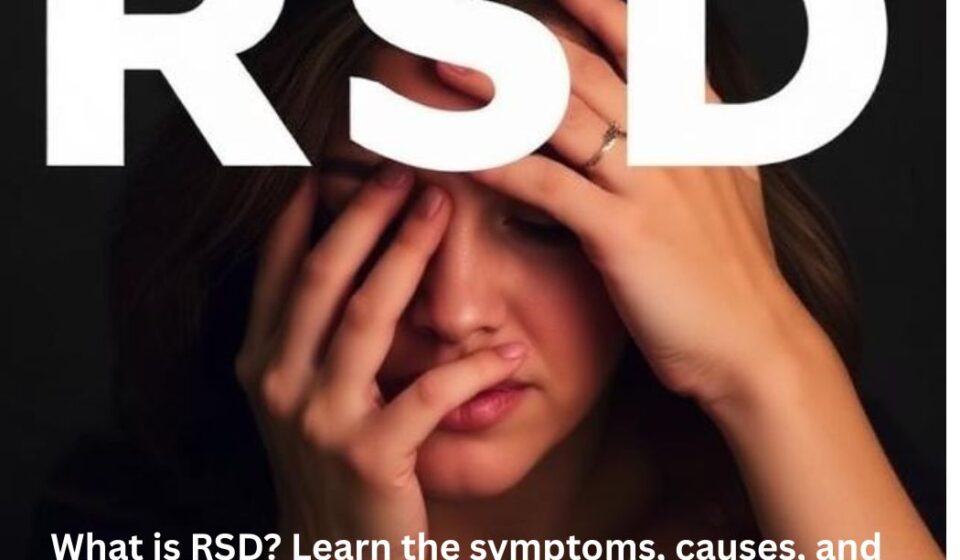

Imagine you are on a tightrope. One misstep, and the world below is a pit of shame, anger, and despair. Now imagine that the tightrope is just a crack in the pavement, and the “misstep” is a colleague saying, “That’s an interesting idea.” For most people, a comment like that is neutral, perhaps even positive. But for someone with Rejection Sensitive Dysphoria (RSD), it can feel like a knife to the heart.
This isn’t about being “thin-skinned” or a “people-pleaser.” It is a profound, often paralyzing, emotional experience that can dictate the course of a person’s life. We’ve all felt the sting of rejection. It’s a universal human experience. But what if that sting felt like a third-degree burn every single time? That is the reality for millions of people grappling with RSD.
So, what is RSD? It is a term used to describe an extreme, overwhelming emotional reaction to perceived or actual criticism, rejection, or failure. While not a standalone diagnosis in the medical community, it is a phenomenon widely acknowledged by clinicians, particularly in connection with neurodivergence like ADHD and Autism. Understanding RSD is the first step toward compassion, self-forgiveness, and finding a path through the pain.
Table of Contents
ToggleBackground/Context: Defining the Emotional Earthquake
More Than Just a Bad Feeling
To truly understand “what is RSD,” we must separate it from typical sadness or disappointment. Psychiatrist Dr. William Dodson, who coined the term, describes it as a sudden, intense, and overwhelming negative emotional response to a perceived rejection.
The key differentiator is the disproportionate nature of the reaction. The emotional pain is immediate and can feel catastrophic. It’s not a slow burn of sadness; it’s an emotional earthquake that hits in an instant.
RSD vs. The “Two RSDs”
A crucial point of confusion when searching “what is RSD” is that the acronym has a completely different meaning in the medical field. If you or a loved one experiences chronic pain, RSD might stand for Reflex Sympathetic Dystrophy, an older term for Complex Regional Pain Syndrome (CRPS), a debilitating pain condition affecting the limbs. While both are serious, this article focuses on the psychological dimension of Rejection Sensitive Dysphoria.
It’s Not in the DSM (But It’s Real)
You won’t find Rejection Sensitive Dysphoria in the DSM-5 (Diagnostic and Statistical Manual of Mental Disorders). This means it is not a formal, standalone psychiatric diagnosis. For a long time, this led to RSD being dismissed or misdiagnosed. But the silence is changing. The NHS and the Royal College of Psychiatrists now recognize it as a significant part of the emotional dysregulation associated with ADHD, and it is increasingly a topic of professional discourse and research.
Main In-Depth Sections: The Anatomy of RSD
1. RSD and Its Associations: The Neurodivergent Connection
While it can affect anyone, RSD is most commonly associated with neurodivergent conditions.
-
The ADHD Link: This is the most prominent association. Experts suggest that almost all individuals with ADHD are hypersensitive to rejection. Why? ADHD affects the brain’s ability to regulate emotions. The “brakes” that should dampen a painful emotional response don’t work as effectively, and the “accelerator” (emotional intensity) is too sensitive. A 2024 case series by Dr. Dodson brought this connection into sharper focus, analyzing patients with ADHD who displayed RSD symptoms.
-
The Autism Spectrum: Many autistic individuals, especially those who are high-masking, experience profound RSD. This can stem from a history of social rejection and a constant feeling of “not fitting in,” leading to hypervigilance about criticism and social missteps.
-
Other Conditions: RSD can also appear alongside anxiety, depression, and borderline personality disorder, often intertwining with existing symptoms of low self-worth and fear of abandonment.
2. Key Symptoms and Traits: What Does RSD Look Like?
RSD is more than just a feeling; it’s a behavioral pattern. If you’re wondering “what is RSD” and whether it applies to you or someone you love, here are the key signs:
-
Overwhelming Emotional Reactions: Instantaneous, intense feelings of shame, rage, anxiety, or despair from minor triggers like a friend canceling plans or a boss offering constructive feedback.
-
Perceiving Rejection Where There Is None: The brain misreads neutral facial expressions, a missed text, or a simple correction as a deep, personal rejection.
-
People-Pleasing & Perfectionism: A desperate strategy to avoid criticism at all costs. You might overachieve to the point of burnout or stifle your true opinions to keep everyone happy.
-
Social Withdrawal: Isolating yourself to prevent the possibility of being hurt or rejected.
-
Negative Self-Talk: Immediately labeling yourself a “failure,” “stupid,” or “unlovable” after a minor setback.
-
Angry Outbursts: Sometimes, the pain of rejection manifests as sudden, intense anger or rage.
3. The Neuroscience: Why It Hurts So Much
Why is the reaction so severe? Neuroscience is starting to provide answers. Brain-imaging research shows that for those with RSD, perceived rejection activates the brain’s threat and pain centers—specifically the amygdala and anterior cingulate gyrus—with extreme intensity. At the same time, the prefrontal cortex, which is supposed to help us rationally assess the situation and calm down, is underactive. This combination creates a perfect storm for a dysregulated emotional response, where dopamine dysregulation reduces the brain’s ability to buffer against emotional pain.
Practical Tips / How-to: Managing and Coping with RSD
If you identify with “what is RSD,” you might feel hopeless. But you’re not. RSD is not a life sentence. There are actionable strategies to manage it and reduce its impact.
Immediate Self-Regulation Strategies
-
Challenge the “ANTs”: Dr. Daniel Amen calls them Automatic Negative Thoughts. When your brain screams, “Everyone hates me!” ask yourself: Is this fact or perception? What is the evidence? Talk back to the thought.
-
Employ the 18-40-60 Rule:
-
At 18, you think everyone is judging you.
-
At 40, you stop caring what they think.
-
At 60, you realize nobody was thinking about you in the first place.
It’s a humorous way to remind yourself that most people are focused on their own lives.
-
-
Mindfulness and Grounding: When the emotional wave hits, use breathing exercises or sensory grounding (e.g., describing 5 things you can see) to pause and create space between the trigger and your reaction.
Long-Term Strategies
-
Therapy: Cognitive Behavioral Therapy (CBT) and Dialectical Behavior Therapy (DBT): Therapy can be transformative. CBT helps you identify and restructure negative thought patterns, while DBT provides concrete skills for emotional regulation and distress tolerance.
-
Medication: While there is no FDA-approved drug for RSD, clinicians often use off-label medications that target ADHD symptoms to help regulate emotions. These include Guanfacine and Clonidine, which can calm the brain’s emotional centers and reduce impulsive reactivity.
-
Stay Connected: It is counterintuitive, but isolating yourself is the worst thing you can do. Find a support group or safe people who understand ADHD and RSD. Knowing you are not alone is incredibly powerful.
For Friends, Family, and Colleagues
If you are supporting someone with RSD, your communication style matters.
-
Be Kind in Your Feedback: Use the “sandwich” method—positive, constructive, positive. Focus on the behavior, not the person.
-
Be Clear: Avoid ambiguity. “It would be great if you could…”
-
Be Patient: Understand that their reaction isn’t about you; it’s a physical and neurological response they are trying to manage.
Common Mistakes and Challenges (+ Solutions)
“I just need to toughen up.”
-
The Mistake: Believing that RSD is a personal weakness and trying to suppress emotions.
-
The Solution: Recognize RSD as a neurological pattern, not a character flaw. Self-compassion is the first step to healing.
“If I avoid everything, I won’t get hurt.”
-
The Mistake: Social isolation and avoiding challenges to prevent rejection.
-
The Solution: While avoidance brings short-term relief, it shrinks your world. Challenge yourself to take small, manageable risks. Start with safe spaces and celebrate the attempt, not just the outcome.
“My partner/friend is just being dramatic.”
-
The Mistake: Dismissing or invalidating the RSD experience.
-
The Solution: Validate their feelings. Say, “I can see you’re really hurting right now. Let’s talk about this when you feel ready.”
Pros, Cons, and A Balanced Analysis
Is there any advantage to having RSD? While it is predominantly a source of pain, understanding the trait can reframe it.
Pros (The Upside)
-
High Empathy & Emotional Intelligence: The intense emotional awareness can make people with RSD deeply empathetic and compassionate.
-
Driven Perfectionism: When channelled healthily, the drive to avoid failure can fuel extraordinary achievement, meticulousness, and creativity.
-
Self-Awareness: Managing RSD often forces a person to become deeply introspective and self-aware, which can be a profound strength.
Cons (The Downside)
-
Chronic Emotional Exhaustion: The constant vigilance and pain are mentally and physically draining.
-
Damaged Relationships: The intense reactions, jealousy, or withdrawal can push loved ones away, creating a self-fulfilling prophecy of rejection.
-
Missed Opportunities: Fear of failure and rejection leads to avoiding job promotions, new friendships, or romantic pursuits.
-
Mental Health Risks: Untreated RSD can contribute to severe depression, anxiety, and can lead to suicidal thoughts.
Future Trends and Predictions (2026 and Beyond)
The conversation around “what is RSD” is rapidly evolving.
-
Formal Recognition: There is growing pressure to have RSD (or its characteristics) recognized more formally in diagnostic manuals like the DSM and ICD, which would lead to better treatment protocols and insurance coverage.
-
Increased Research: With major institutions like the Cleveland Clinic and the NHS acknowledging RSD, research is poised to explode. Studies on neuroimaging and specific treatments will become more common.
-
Workplace & Educational Accommodations: As awareness grows, we will likely see more “social” accommodations in schools and offices. This could include different feedback styles for neurodivergent employees and better emotional support systems.
-
Digital Therapeutics: Apps and digital coaching platforms specifically targeting emotional dysregulation in ADHD and RSD are likely to become a core part of management plans.
Conclusion: Key Takeaways
Rejection Sensitive Dysphoria can turn the world into a minefield of emotional pain. But it doesn’t have to be that way.
Key Takeaways
-
Definition: RSD is an extreme, often instantaneous, emotional reaction to perceived or actual rejection or criticism.
-
Common Link: It is heavily associated with neurodivergence, particularly ADHD, where the brain processes emotions differently.
-
Symptoms: Look for overwhelming shame, a history of people-pleasing, perfectionism, social withdrawal, and anger outbursts triggered by minor comments.
-
It’s Neurological: RSD is not a personality flaw. It has a basis in brain structure, specifically how the amygdala and prefrontal cortex interact.
-
Treatment Works: Therapy (CBT/DBT) and sometimes medication (Guanfacine/Clonidine) are effective ways to manage RSD.
-
Compassion is Key: Whether for yourself or a loved one, responding with understanding and patience is the most powerful tool you have.
Frequently Asked Questions (FAQs)
1. What is RSD in simple terms?
RSD stands for Rejection Sensitive Dysphoria. It means feeling an incredibly intense and overwhelming emotional pain, like shame or rage, when you think you’ve been criticized, rejected, or have failed, even if it’s a tiny thing.
2. Is RSD a real mental health condition?
RSD is not a standalone diagnosis in the DSM-5, but it is a recognized and real phenomenon experienced by many people, especially those with ADHD. It is considered a major part of the emotional dysregulation often seen in ADHD.
3. What is the difference between RSD and just being sensitive?
Everyone has feelings, but RSD is a neurological and emotional overreaction that is out of proportion to the trigger. A small comment that might make someone else feel a little bummed out can cause a person with RSD to feel like their world is ending.
4. Can you have RSD without ADHD?
Yes. While it’s most common in ADHD, RSD can also affect people with autism, anxiety, depression, and other conditions, or stand alone as a learned response from childhood experiences.
5. What are the best treatments for RSD?
The most effective treatments include Cognitive Behavioral Therapy (CBT) for thought restructuring, Dialectical Behavior Therapy (DBT) for emotional regulation skills, and medication like Guanfacine or Clonidine prescribed off-label to calm emotional reactivity.
Sources:
-
Verywell Health: “Rejection Sensitive Dysphoria: What It Is and How to Cope”
-
Healthline: “ADHD and Rejection Sensitivity: Is There a Link?”
-
My Patient Advice: “Is RSD a Recognised Symptom of ADHD?”
-
Amen Clinics: “What is Rejection Sensitivity Dysphoria…and Do You Have It?”

admin
M Umer Abbasi is a luxury lifestyle journalist and editorial curator specializing in haute horology, passion investments, and avant-garde design. With an eye for flawless craftsmanship and heritage storytelling, he deconstructs the world of high-ticket assets—from secondary watch market trends to the evolution of bespoke tailoring. His work focuses on shifting the luxury narrative away from fleeting trends and toward timeless design, raw materials, and true artisanship.