
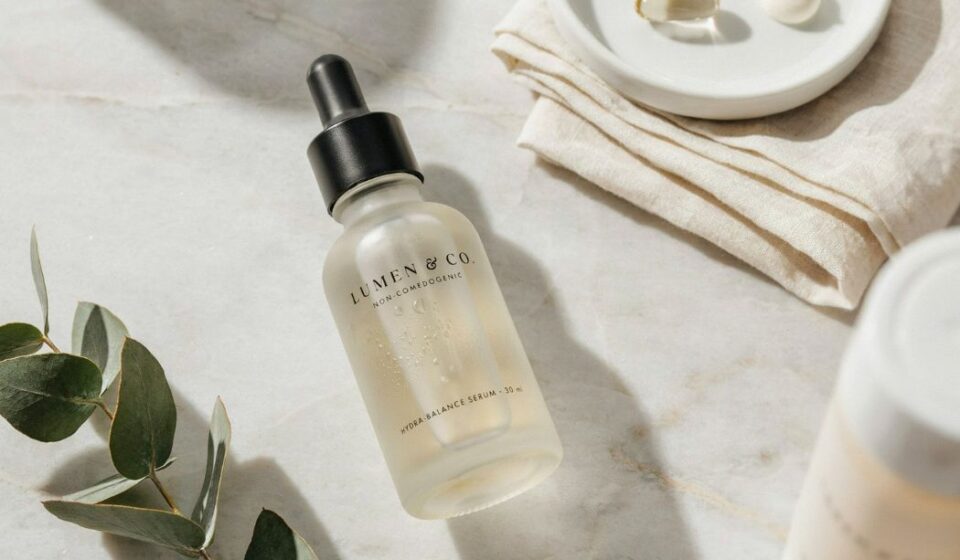

Picture this: You’ve just bought a luxurious new moisturizer. The texture is divine, the scent is heavenly, and the reviews are stellar. You apply it with anticipation, dreaming of glowing skin. Fast forward two weeks, and you’re battling a breakout of small, stubborn bumps that weren’t there before. You’re not alone.
I’ve been there—investing in what seemed like the perfect product, only to have my skin rebel in protest. This frustrating experience is exactly why the term “non-comedogene” holds such power in the skincare world. It promises to be the guide that leads us away from pore-clogging products to clearer, happier skin. But what does this marketing buzzword actually mean, and can you truly trust it?
This article is your comprehensive guide to understanding non-comedogene skincare. We’ll decode the science, bust the myths, and equip you with the knowledge to make the best choices for your unique skin.
Part 1: The Basics – What Does “Non-comedogene” Actually Mean?
Let’s start with the root of the word. “comedogene” (pronounced co-mee-do-jen-ic) comes from the word comedo (plural: comedones). A comedo is the technical term for a clogged pore . There are two types you likely know well:
-
Open Comedones: These are blackheads, where the clogged pore is open to the air, and oxidation causes the dark color.
-
Closed Comedones: These are whiteheads, where the pore is completely blocked, trapping oil and dead skin cells beneath the surface.
Therefore, non-comedogene simply means a product is formulated to not clog pores . The goal is to deliver the benefits of a product—like hydration or sun protection—without introducing ingredients that can get trapped in your hair follicles and lead to breakouts .
Who Needs Non-comedogene Products?
While anyone can benefit from a non-clogging formula, it’s especially critical for certain skin types and conditions:
-
Oily Skin: Overactive sebaceous glands create an abundance of natural oil, making pores more susceptible to blockages.
-
Acne-Prone Skin: For anyone with a history of blackheads, whiteheads, or inflammatory acne, avoiding pore-cloggers is a cornerstone of a good skincare routine.
-
Combination Skin: The T-zone (forehead, nose, and chin) in combination skin types is often oily and can benefit from non-comedogenic products, while you might use different products on your dry cheeks.
As one dermatologist puts it, non-comedogenic products are an excellent “guideline” for those with a tendency to break out, even though they aren’t a 100% guarantee against acne .
Part 2: The Science of a Comedone – How Pores Get Clogged
To understand why certain ingredients are problematic, we need to briefly delve into the science of a pore. Your skin is covered in hair follicles, and each follicle is connected to a sebaceous gland that produces sebum, a natural oil that keeps your skin lubricated and waterproof. The opening of this follicle is the pore.
A comedo forms when there is a combination of:
-
Excess Sebum: Overproduction of oil by the sebaceous gland .
-
Dead Skin Cells: An abnormal shedding of skin cells inside the follicle. These cells become trapped along with the sebum .
-
Bacteria: The trapped material becomes a breeding ground for Cutibacterium acnes (C. acnes) bacteria, which are naturally present on the skin.
When cosmetic ingredients are too heavy or occlusive, they can contribute to this process by acting like a glue, trapping the mix of oil and dead cells inside the follicle.
How Non-Comedogenic Ingredients Help
Non-comedogenic products are designed to avoid this trap. Instead of heavy, pore-blocking ingredients, they often utilize:
-
Lighter Oils: Oils like squalane or jojoba oil are often used because they closely mimic the skin’s natural sebum and are less likely to cause congestion .
-
Esters with a Low Comedogenic Rating: Ingredients like octyl palmitate are lightweight esters that soften and smooth the skin by forming a non-greasy, non-comedogenic barrier .
-
Oil-Free Formulations: As a general rule, many non-comedogenic products are oil-free, though it is not a requirement for a product to be non-comedogenic .
Part 3: The “It’s Not You, It’s Me” Reality Check
Here is where the narrative gets complicated. While the concept is straightforward, the reality is nuanced. You must be cautious of one major piece of marketing spin.
Myth: A “Non-Comedogenic” label guarantees you won’t break out.
Fact: It significantly reduces the likelihood, but it is not a promise.
This is a critical distinction to understand . Here’s why:
-
No Universal Standard: The term “non-comedogenic” is not strictly regulated by the FDA in the United States . This means any brand can slap the label on a product without undergoing mandatory testing to prove it.
-
Testing Methods Are Flawed: Historically, the most famous test was the “rabbit ear model” . As the name suggests, this involved applying the product to the inside of a rabbit’s ear to see if it caused comedones. While this test provided some data, it’s archaic and doesn’t translate perfectly to human skin. Reputable brands often use human patch testing, but even then, results can vary.
-
Skin is Unique: This is the most important factor. Your skin’s individual response to an ingredient is determined by genetics, skin barrier function, and the specific mix of your microbiome. An ingredient with a “0” rating might still break you out, while an ingredient with a “3” rating might be perfectly fine for your skin. As the saying goes in the skincare world, your mileage may vary .
The Ingredient Watch List
While no list is definitive, being aware of ingredients with a known potential for clogging pores (typically rated on a 0-5 comedogenic scale) can empower you.
Often flagged as high-risk (rate 4-5): Cocoa butter, coconut oil, wheat germ oil, some waxes.
Moderate-risk (rate 2-3): Some fatty acids, certain silicones like dimethicone (though its pore-clogging potential is heavily debated), and some synthetic esters.
Low-risk/Non-comedogenic (rate 0-1): Squalane, grapeseed oil, jojoba oil, shea butter (often considered non-comedogenic unless used in its heavy, unrefined form), hyaluronic acid, glycerin .
Pro-Tip: Don’t just check the “front of the box.” Flip the product over and read the ingredients list. Be aware that a formula containing a trace amount of a high-risk ingredient at the end of the list is less likely to cause an issue than one where it’s a main component.
Part 4: Beyond the Face – The Role of Lifestyle & Skincare Routine
A non-comedogenic product is a powerful tool, but it’s only one piece of the puzzle. Your breakout prevention plan should be holistic.
-
Don’t Forget Your Hair: Your hair care products (shampoos, conditioners, styling creams) can run onto your face and back, clogging pores. Seek out “non-comedogenic” or “oil-free” hair products if you experience breakouts along your hairline or back .
-
The SPF Conundrum: Sunscreen is non-negotiable, but many chemical and physical sunscreens can feel heavy. Look for gel-based or lightweight, non-comedogenic SPFs to protect your skin without sacrificing clarity .
-
The Art of Cleansing: If a non-comedogenic moisturizer “sits” on top of a layer of dirt, makeup, and sunscreen, it will still clog your pores. A thorough, double-cleansing routine (using an oil-based cleanser followed by a water-based one) is essential for removing all debris and preventing blockages.
Part 5: The Future is Barrier-Friendly
The trend in dermatology is moving away from a “one-size-fits-all” approach. The future of non-comedogenic skincare is about smart formulations that hydrate and support the skin barrier without clogging pores .
-
Ceramide-Packed Formulas: Brands are prioritizing formulations rich in skin-identical ingredients like ceramides in lightweight, non-comedogenic vehicles. Obagi’s Hydrate Luxe, for example, is an ultra-rich moisturizer that is still non-comedogenic, showing that “heavy hydration” isn’t always the same as “pore-clogging” .
-
Biomimetic Ingredients: Using ingredients that your skin naturally recognizes (like squalane) to deliver hydration and fortify the barrier is a modern pillar of breakout-free skincare.
-
Personalized Skincare: With the rise of at-home skin testing and AI skin analysis, the future is moving toward recommending specific products based on an individual’s genetic and microbiome profile, ensuring that “non-comedogenic” truly means non-comedogenic for you.
Conclusion & Key Takeaways
The world of non-comedogenic skincare is a vital and powerful concept, but it needs to be interpreted through the lens of your own biology. It is not an absolute promise, but a helpful guideline to steer you toward safer options for breakout-prone skin.
Your Clear Skin Cheat Sheet
-
Understand the Term: “Non-comedogenic” means “won’t clog pores.” It’s ideal for oily, combination, and acne-prone skin .
-
Don’t Fall for the Marketing: It is not a regulated term and a “non-comedogenic” label is not a guarantee you won’t get a zit .
-
Be Your Own Scientist: Patch test new products on a small area of your skin before applying them to your entire face.
-
Beware of Potential Culprits: While not definitive, keep an eye out for ingredients like cocoa butter, coconut oil, and heavy waxes .
-
Hydration is Key: You don’t have to sacrifice hydration for clear pores. Look for lightweight oils like squalane, hyaluronic acid, and esters like octyl palmitate .
-
Read the Entire Label: Always scan the ingredients list, not just the front of the packaging.
Frequently Asked Questions (FAQs)
1. Is non-comedogene the same as oil-free?
No. “Oil-free” means the product contains no oils or mineral oils . “Non-comedogene” means the product is formulated to not clog pores, which is often true of oil-free products, but not always. Many non-comedogene products contain beneficial oils like squalane or jojoba oil that don’t clog pores .
2. Can a non-comedogene product still cause breakouts?
Yes. Because the term isn’t strictly regulated and because everyone’s skin reacts differently, a non-comedogene product can still cause a breakout for an individual. It’s always best to patch-test .
3. Is shea butter non-comedogene?
Refined shea butter is generally considered non-comedogene and has a low comedogenic rating, often around 0-2. Unrefined, raw shea butter can be heavier and more likely to clog pores. A product like CEGESOFT® SB 45 TR, a special lipid fraction from shea butter, is an example of this ingredient being formulated to be non-comedogene .
4. How do I know if a product is non-comedogene if I don’t trust the label?
The best way is to read the ingredient list. While it requires some research, you can look up common ingredients you’re unfamiliar with. The simpler the ingredient list, the easier it is to identify potential culprits.
5. What are some ingredients to avoid if I have acne-prone skin?
Common acne-triggering ingredients for many people include cocoa butter, coconut oil, isopropyl myristate, and certain waxes . However, this is not a universal rule for everyone.
6. Are silicones non-comedogene?
This is a highly debated topic. Some dermatologists and skincare experts believe that certain silicones like dimethicone are non-comedogene because they sit on top of the skin and don’t sink into pores to clog them. Others find that silicones can trap oil and dead skin cells, leading to breakouts. If you’re sensitive, look for water-based or silicone-free formulations.
7. Why are non-comedogene products recommended for acne-prone skin?
They help reduce one of the key causes of acne—blocked pores—by avoiding ingredients that act as a “glue” for oil and dead skin cells. While not a cure, they minimize a major risk factor .